The Sixth Forum of Macao Humanities and Social Sciences Education Successfully Held, Deeply Exploring the Integration of Chinese Culture and Liberal Arts Education in the Modern Era (Pending Translation)
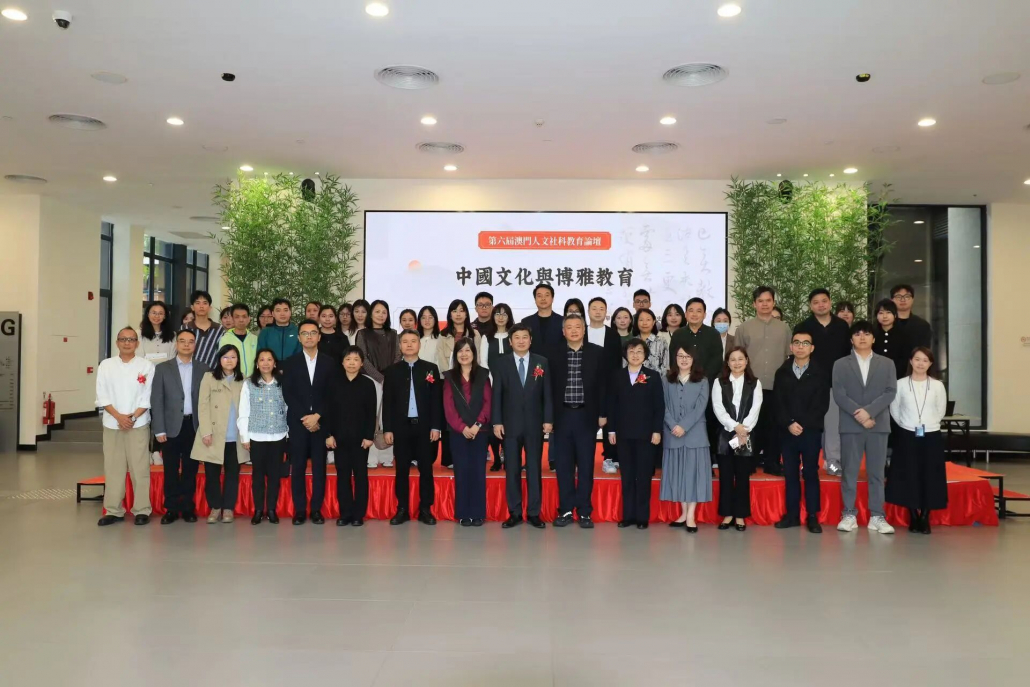
The “Sixth Forum of Macao Humanities and Social Sciences Education”, organized by the Centre for Chinese History and Culture of the University of Macau, was grandly held on December 13 at the Auditorium of Cultural Building, University of Macau. With the theme of “Chinese Culture and Liberal Arts Education,” this year’s forum brought together education experts, scholars, and primary and secondary school principals from Macao and the Greater Bay Area. Through keynote speeches and thematic dialogues, the forum collectively explored the value, inheritance, and innovative pathways of excellent traditional Chinese culture within the contemporary liberal arts education system. The venue was fully occupied, and the academic atmosphere was vibrant.
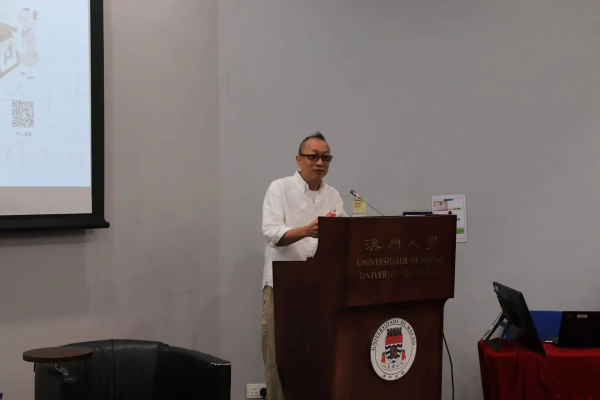
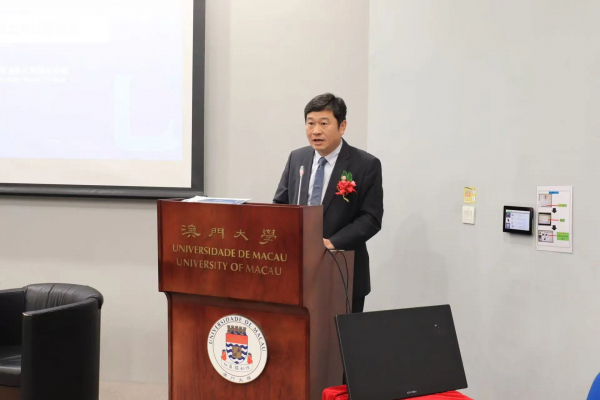
This year’s forum aimed to promote dialogue between basic education and higher education, as well as to foster the deep integration of humanities and social sciences education with the demands of the times. At the beginning of the forum, Dr. Cheang Neng Ian, Deputy Director of the Centre for Chinese History and Culture of the University of Macau, delivered an opening speech. He pointed out that in the context of globalization, rapid technological advancement, and the construction of a modernized material and spiritual civilization with Chinese characteristics, the critical thinking, humanistic literacy, and sense of social responsibility emphasized in liberal arts education are particularly valuable. As a window for the convergence of Chinese and Western cultures, Macao’s unique historical background provides fertile ground for exploring the organic integration of Chinese culture and liberal arts education.
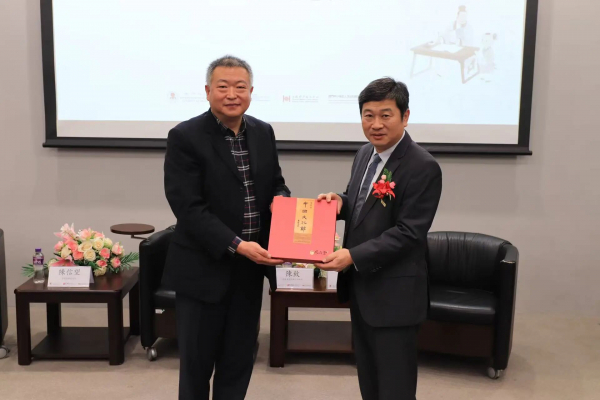
In the subsequent keynote speech session, Professor Chen Zhi, President of Beijing Normal University-Hong Kong Baptist University United International College (UIC), was invited to deliver an insightful speech. With his profound academic background and forward-looking vision, Professor Chen discussed the context of global educational transformation, emphasizing the impact of technological innovation and globalization on education. He pointed out that liberal arts education plays a crucial role in cultivating well-rounded talents, especially in modern society, where the balanced development of knowledge, abilities, and personal cultivation is the core goal of education. Finally, he shared the innovations and experiences of UIC in the practice of liberal arts education, highlighting the integration of Chinese culture with international education to cultivate Chinese intellectuals with a global perspective. The speech was rich in content and offered unique insights, sparking widespread resonance and deep reflection among the attendees.
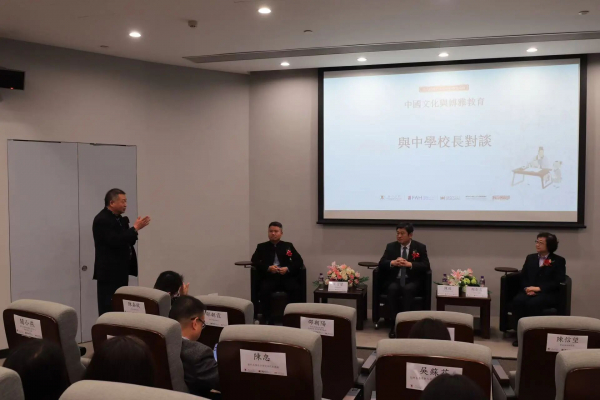
Following this, several local primary and secondary school principals from Macao, including Principal Chen Xinwang of Macau Sacred Heart Canossian College and Vice Principal Shao Chaoxia of Macau Labour School, engaged in an in-depth dialogue with Professor Chen Zhi. The participants unanimously agreed that promoting the integration of Chinese culture and liberal arts education requires collaboration between universities and primary/secondary schools, involving systematic reforms from curriculum development and teacher training to evaluation systems, ensuring that cultural inheritance is truly rooted in daily teaching practices.
The successful hosting of this forum not only deepened the education community’s understanding of the theme “Chinese Culture and Liberal Arts Education” but also fostered closer connections between academia and frontline basic education. The Center for Chinese History and Culture of the University of Macau stated that it will continue to commit to advancing the development of humanities and social sciences education. By organizing a series of activities, it aims to build a broader platform for exchange and cooperation, contributing to the cultivation of future talents with a sense of national pride, a global perspective, and innovative capabilities.