
Eighth China Culture (Macao) Forum Focuses on the Autonomy of Chinese Culture and the Path of Cultural Revitalization
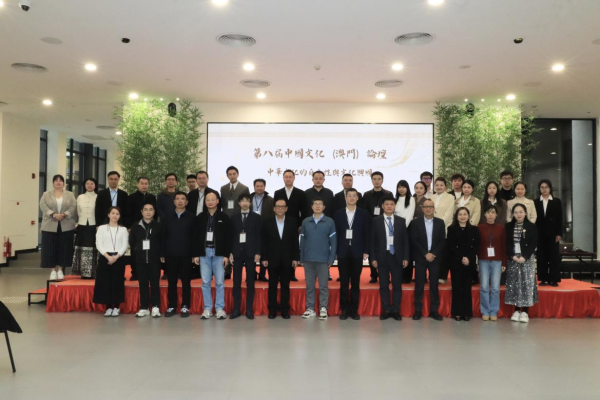
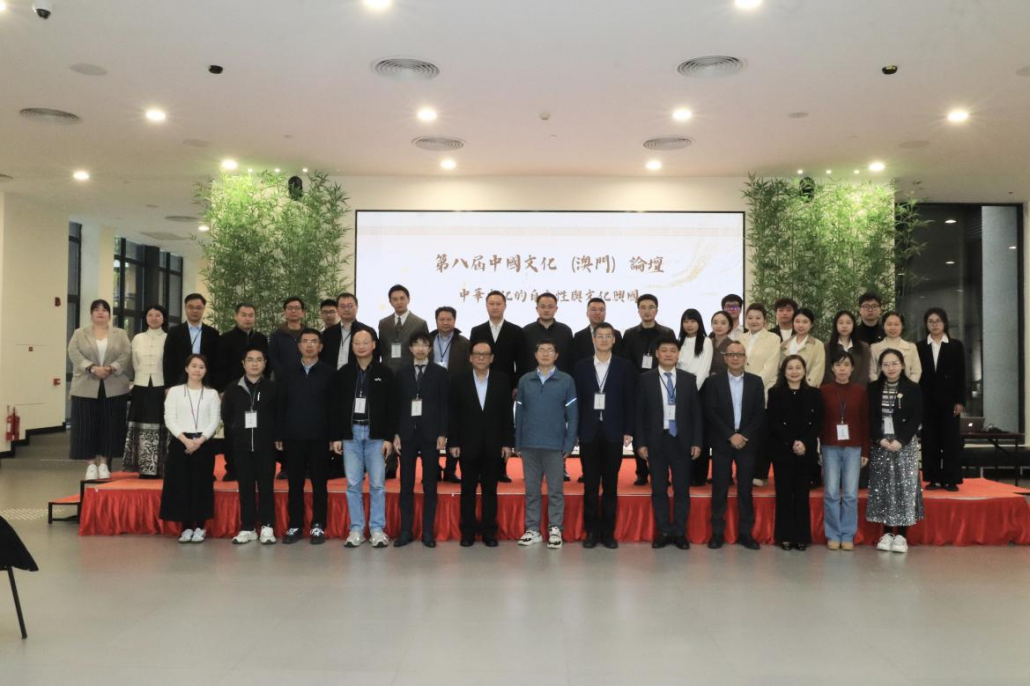
Group photo of the Forum
On 19 November 2025, the “Eighth China Culture (Macao) Forum” was grandly held at the Culture Building (E34) of the University of Macau (UM). With the theme of “The Autonomy of Chinese Culture and National Revitalization through Culture,” the Forum served as the core event of the Fourth Festival of Chinese Culture. Hosted by the Centre for Chinese History and Culture (CCHC) of the UM, it brought together more than 20 scholars from universities at home and abroad including Tsinghua University, Beijing Normal University, and Sun Yat-sen University. The participants engaged in in-depth dialogue on the inheritance and innovation of Chinese culture. Drawing on Macao’s geographical advantage as a place where Chinese and Western cultures meet, the event aimed to promote dialogue among civilizations and academic innovation, providing scholarly support for the strategy of invigorating the nation through culture.
The CCHC is an academic institution established with the support of the Liaison Office of the Central People’s Government in the Macao SAR and the Macao SAR Government. It is dedicated to the research, education and promotion of Chinese culture. As a Key Research Institute of Humanities and Social Sciences under the Ministry of Education, the Centre has become an important bridge linking academia and public education through specialized research, international academic forums, and faculty training. Continuing the mission of “Inheriting Civilization, Dialoguing with the World,” this year’s Forum featured a rich agenda and focused on cutting-edge topics such as the origins of civilization and the construction of the classical tradition.
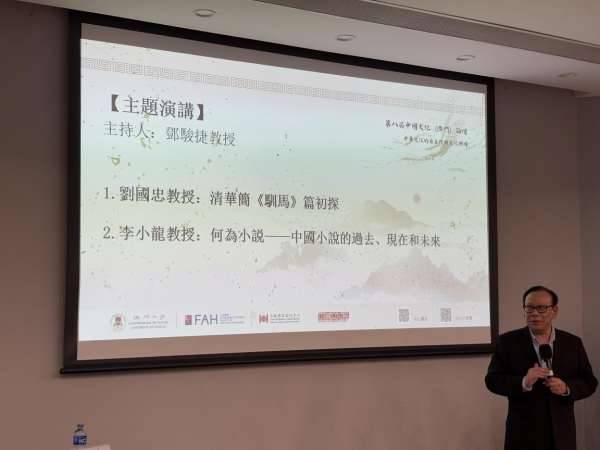
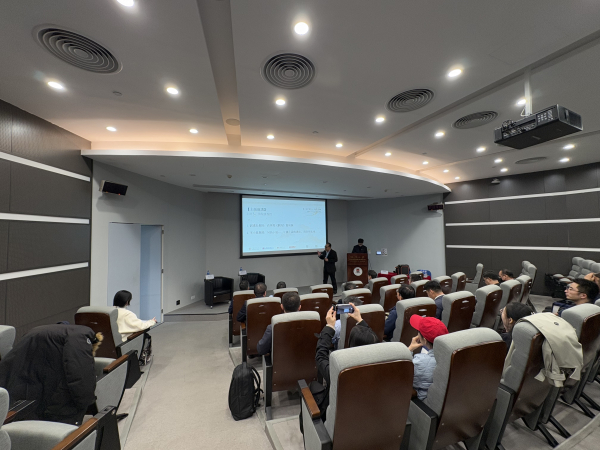
Prof. Tang Chonchit chairing the session
On 19 November, the opening ceremony of the Fourth Festival of Chinese Culture was held at the Student Activity Centre E31 Theatre of the UM, after which the Forum moved into its core sessions. The keynote speeches were chaired by Prof. Tang Chon Chit. Prof. Liu Guozhong of Tsinghua University examined the Saddle horse chapter in the Tsinghua bamboo manuscripts, analyzing the cultural value of excavated documents. Prof. Li Xiaolong of Beijing Normal University, in a lecture titled “What Is Fiction?”, traced the history and future of Chinese fiction from the perspective of literary history. The two talks prompted participants to engage in in-depth reflection on cultural autonomy.
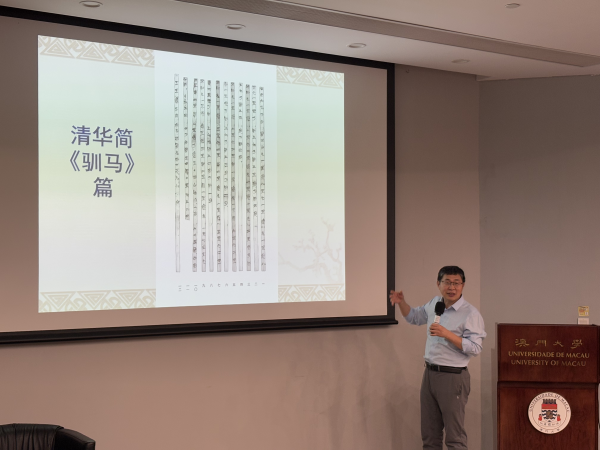
Prof. Liu Guozhong, Tsinghua University
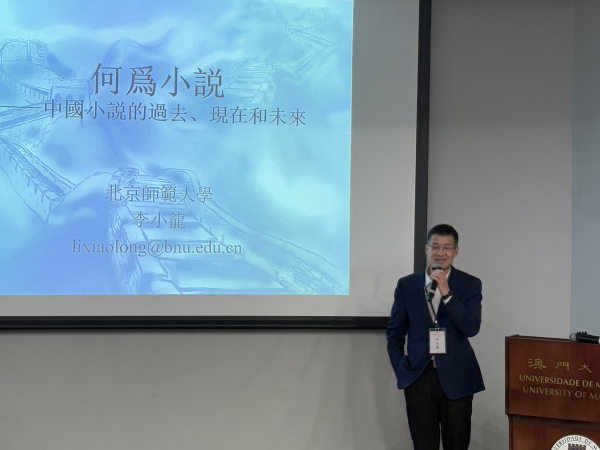
Prof. Li Xiaolong, Beijing Normal University
Thematic Panels: Four Sessions of Ongoing Academic Dialogue
The first session in sub-venue G002 was chaired by Prof. Liu Guozhong and focused on the study of classical texts. Prof. Yeung Siu Kwai of the FED of UM offered an interpretation in relation to Daoist moral teachings; Prof. Pan Wuzheng of Anhui Normal University discussed the value of literary and art education; Prof. Fan Bochong of Sun Yat-sen University examined the evolution of biography forms in the Han and Jin dynasties; Prof. Peng Zhi of the Chinese National Academy of Arts elaborated on dance illustrations from the Ming and Qing dynasties; and Prof. Guo Chaoying of Shandong University analyzed newly discovered ancient manuscripts from the 20th century and the collated fragments of Zilin.
The second session, chaired by Prof. Jin Chengyu, centered on literature and language studies. Prof. Jin Chengyu of Nanjing University re-examined the East Asian history of the epithet “Poetry Son of Heaven” and its derivatives; Prof. Sun Guang of Zhengzhou University discussed the relationship between Confucian classics and literature; Prof. Chen Jichuan of Liaoning University analyzed the spatial construction in court lyrics; Prof. Wang Sihao of the UM focused on Yao Yuan-zhi’s journey to Macao to investigate Macao writings by scholars of the Tongcheng School; Prof. Sio, Chio Ieong of the UM explored how the evolution of the concept of “xing” reflects the linguistic foundations of cultural aphasia and ideological colonization.
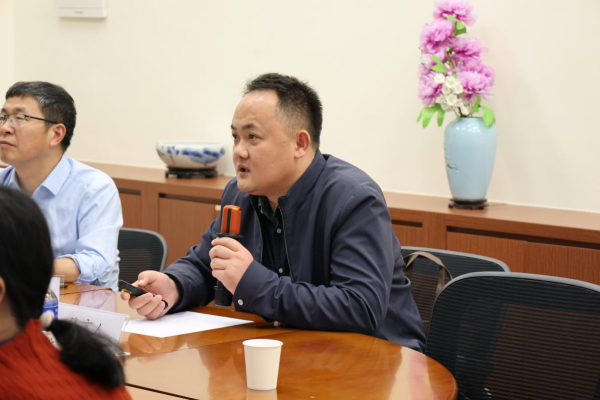
Prof. Peng Zhi, Chinese National Academy of Arts
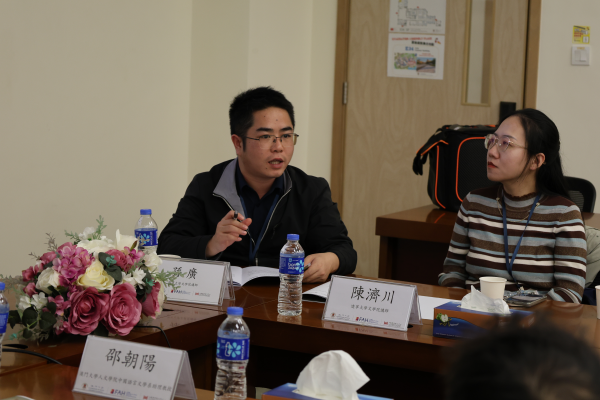
Prof. Sun Guang, Zhengzhou University
The first session in sub-venue G019 was chaired by Prof. Wang Sihao, where five scholars explored cultural identity and intellectual interaction from multiple perspectives. Prof. Kong Deli of the Confucius Research Institute analyzed the evolution of the “community of shared destiny” of family and state, from bloodline-based clans to cultural identity; Prof. Xie Naihe of Northeast Normal University elucidated the theoretical logic underlying the construction of Chinese classical studies; Prof. Zhang Dengde of Shandong Normal University used Adam Smith’s theories as a case study to explore the interaction between Chinese and Western economic thought in modern times; Prof. Tang Chon Chit of the UM examined the power struggles between Emperor Wu of Han and the Dou clan of consort kin; Prof. Liu Yonglian of Jinan University approached Silk Road exchanges and civilizational dialogue from the perspective of silk culture.
The third session, chaired by Prof. Yeung Siu Kwai, brought together five scholars to discuss history and institutions. Prof Yu Wei of Sun Yat-sen University studied the expansion of the Western Zhou; Prof. Wang Jinfeng of East China Normal University analyzed the pre-Qin rural administrative system from the lens of the origins of civilization; Prof. Jing Chao of Nanjing Normal University used the use of wine vessels as an example to explore the Confucian idea; Prof. Zhang Xin of the Chinese Academy of Social Sciences offered a ‘New Understandings on “The Table of the Hundred officials and Ministers in The Hanshu’; Prof. Zhang Yue of the UM examined the relationship between cultural autonomy and poems on history in the Six Dynasties.
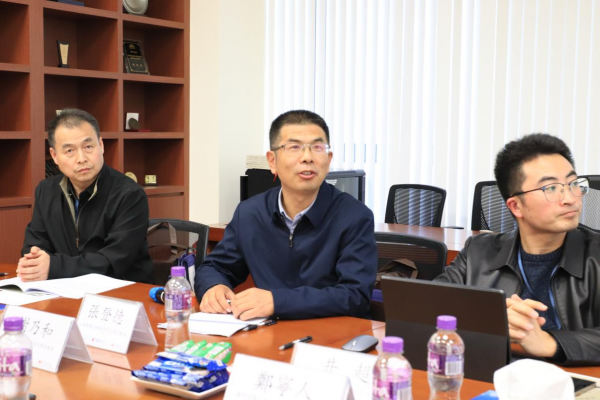
Prof. Zhang Dengde, Shandong Normal University
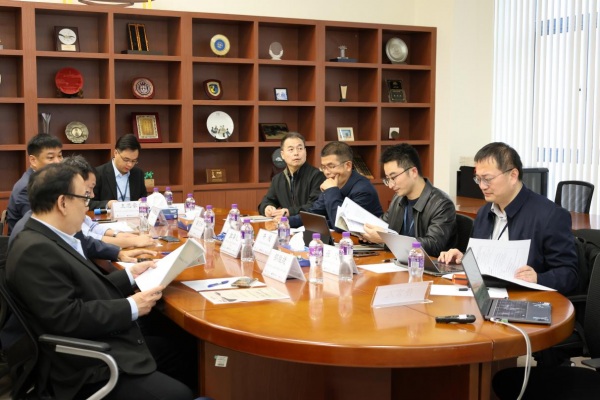
By organically combining keynote speeches and thematic panels, the Forum not only deepened the exploration of both classical and frontier issues, but also reinforced Macao’s role as an exchange hub characterized by “Chinese culture as the mainstream and the coexistence of diverse cultures.” Participating scholars noted that the Forum provided an important platform for promoting research on Chinese history and culture and for dialogue among civilizations, achieving innovation in topic design, event formats, and resource integration. Looking ahead, the CCHC of the UM will continue to build on the advantages of its platforms to promote the global dissemination and contemporary transformation of Chinese culture.

