UM Centre for Chinese History and Culture Visits Escola Estrela do Mar

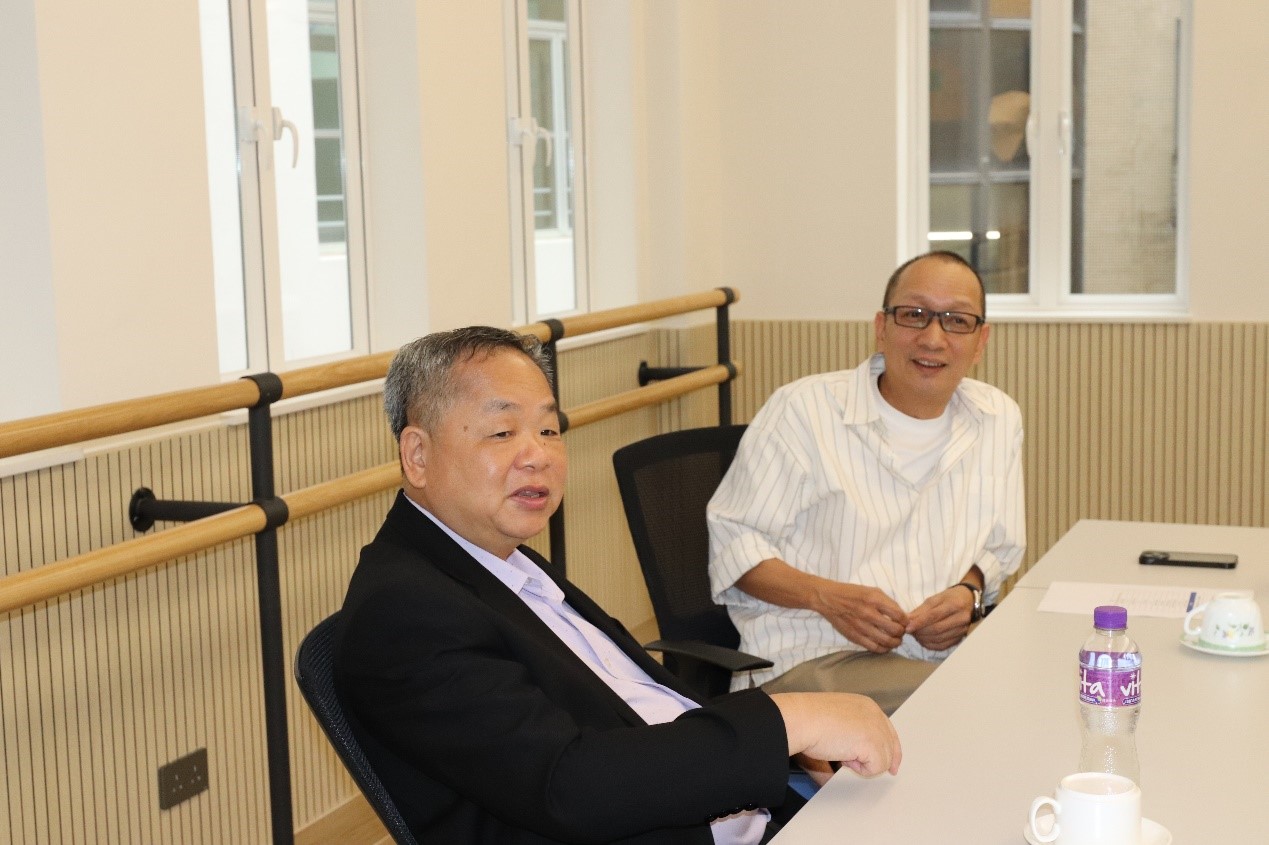
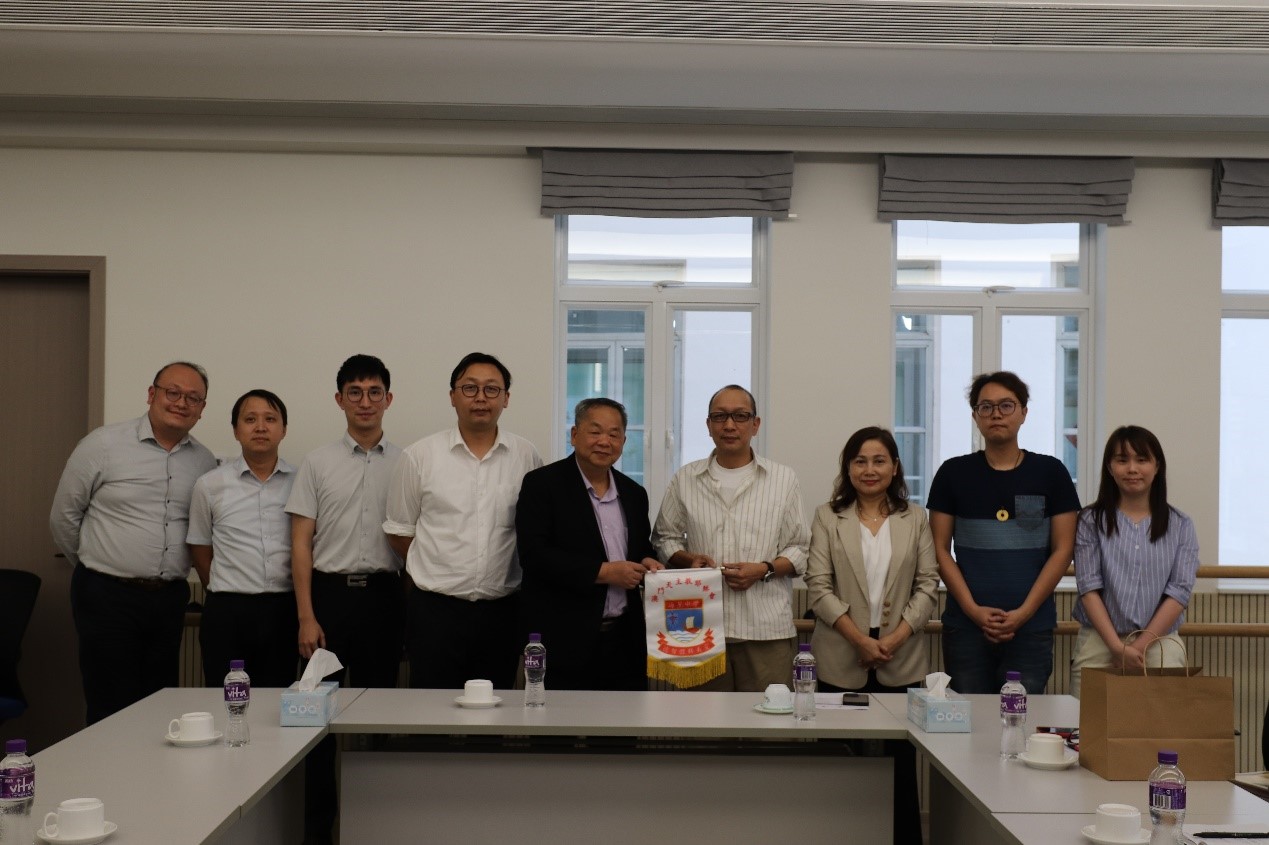
As one of the inaugural member institutions of the Chinese History and Culture Promotion Base, Escola Estrela do Mar has maintained a close and productive partnership with the University of Macau (UM) Centre for Chinese History and Culture. To further strengthen collaboration and explore future initiatives, Dr. Cheang Neng Ian, Deputy Director of the UM Centre, led a delegation to Escola Estrela do Mar on the afternoon of Thursday, May 8, 2025. The delegation included Principal Administrative Officer Ms. Kuan Sio In, Administrative Officer Mr. Wong Keng Mang, and Administrative staff Ms. Tong Ho Kei.

During the meeting, both parties engaged in in-depth discussions on cultural event planning, teacher professional development, and student experiential education. Principal Kolbe Vong of Escola Estrela do Mar proposed co-organizing a “Chinese Culture Day” with the Centre, aiming to integrate more classical Chinese cultural elements and deepen students’ understanding of traditional heritage. Noting challenges in funding and venue logistics, he called for resource integration to advance the project. Principal Vong also emphasized enhancing teacher expertise, suggesting specialized training programs and requesting the Centre’s support in developing history and culture curricula to strengthen pedagogical capacity.

Dr. Cheang Neng Ian invited Escola Estrela do Mar to participate in the “Patriotic-themed Cultural Tours,” aligning with the 80th anniversary of the Victory in the War of Resistance Against Japanese Aggression to deepen patriotic education. He proposed a multi-school collaborative model to foster inter-school exchanges.

The visit has breathed new vitality into the partnership between Escola Estrela do Mar and the UM Centre for Chinese History and Culture. Both institutions jointly pledged to focus on cultural heritage preservation and educational practices, further deepening collaboration in youth cultural cultivation. They aim to collectively contribute to promoting China’s outstanding traditional culture and elevating the cultural literacy of Macao’s youth.


4th Cohort of Chinese Culture Promotion Ambassadors Inaugurated with Grand Appointment Ceremony

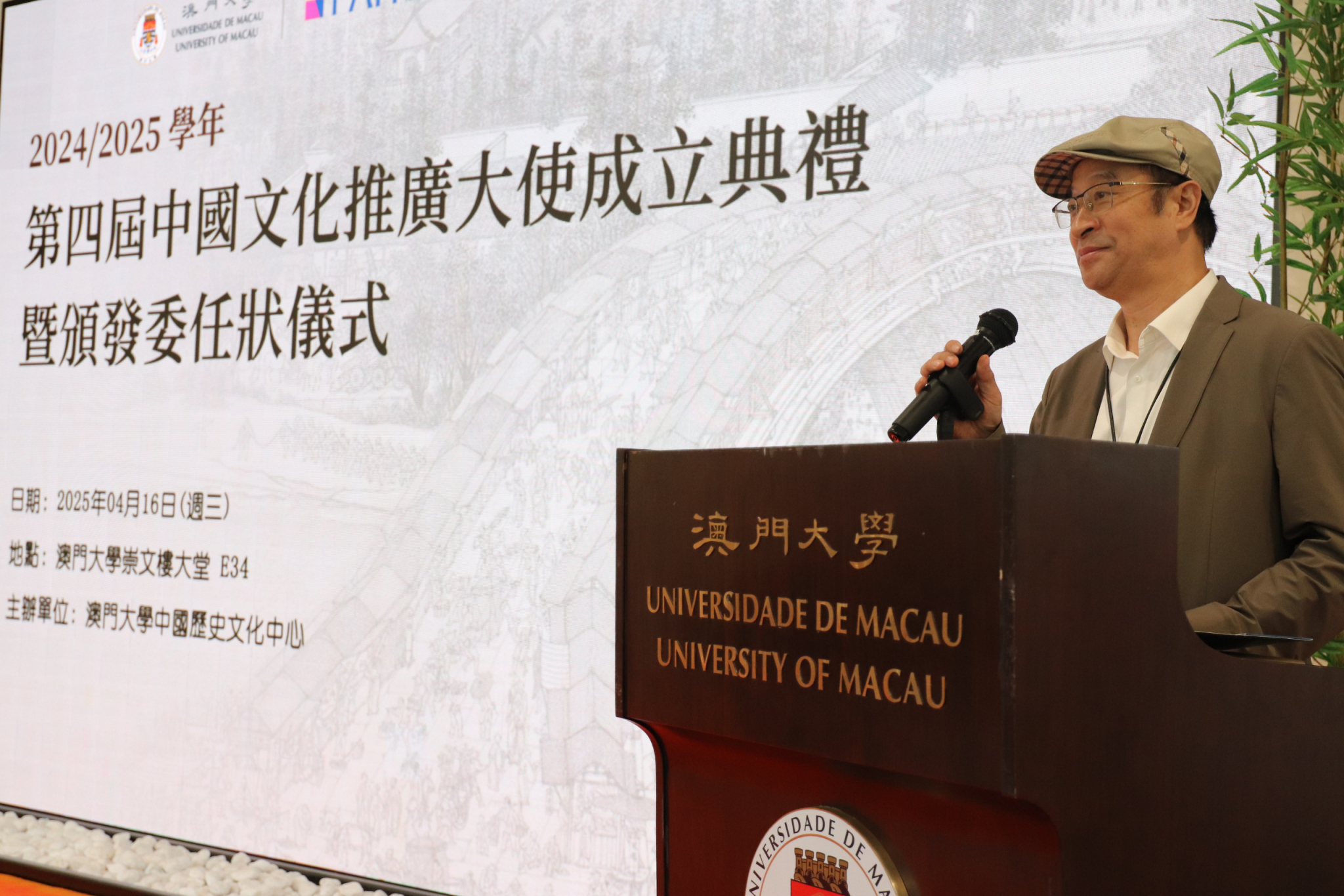
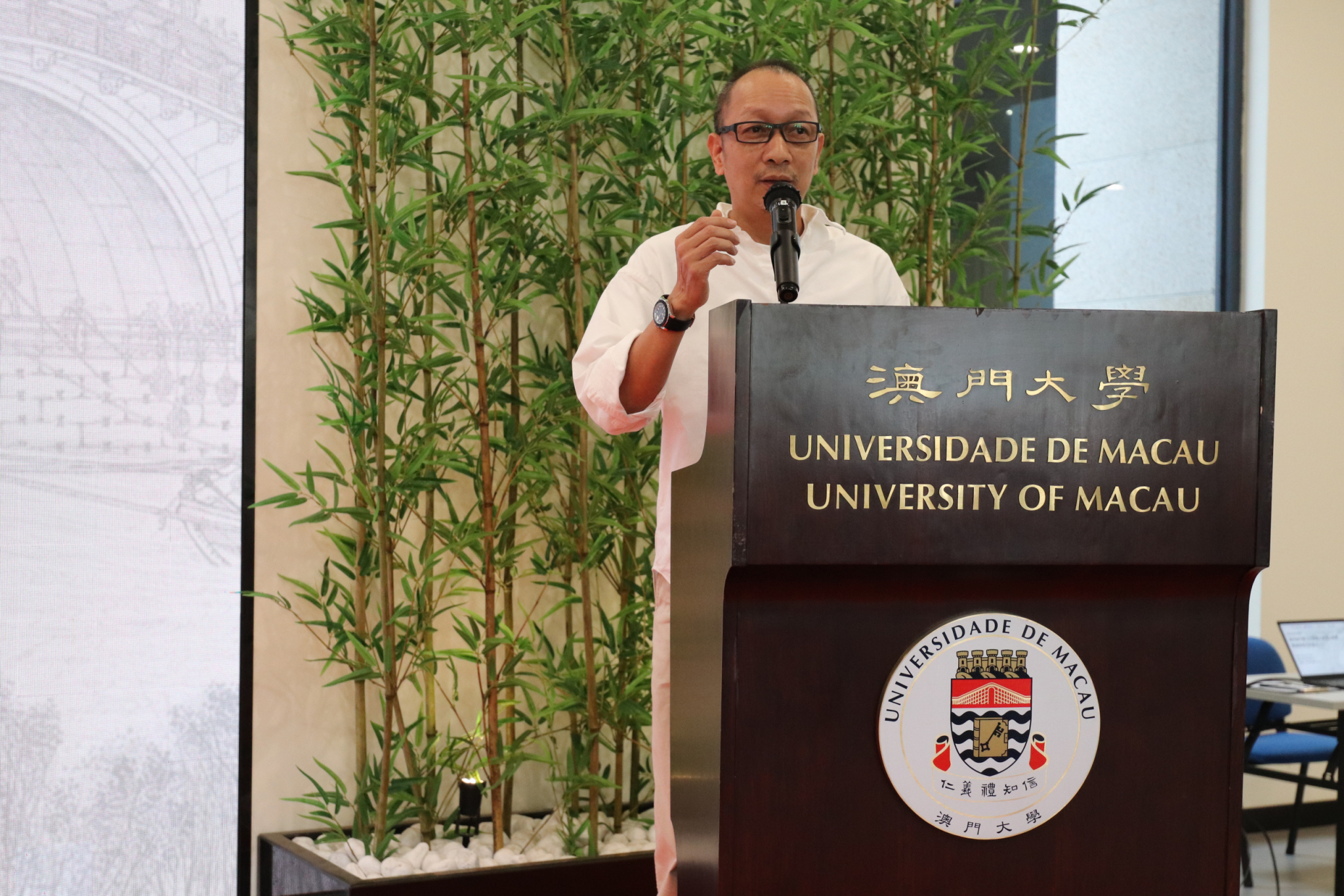
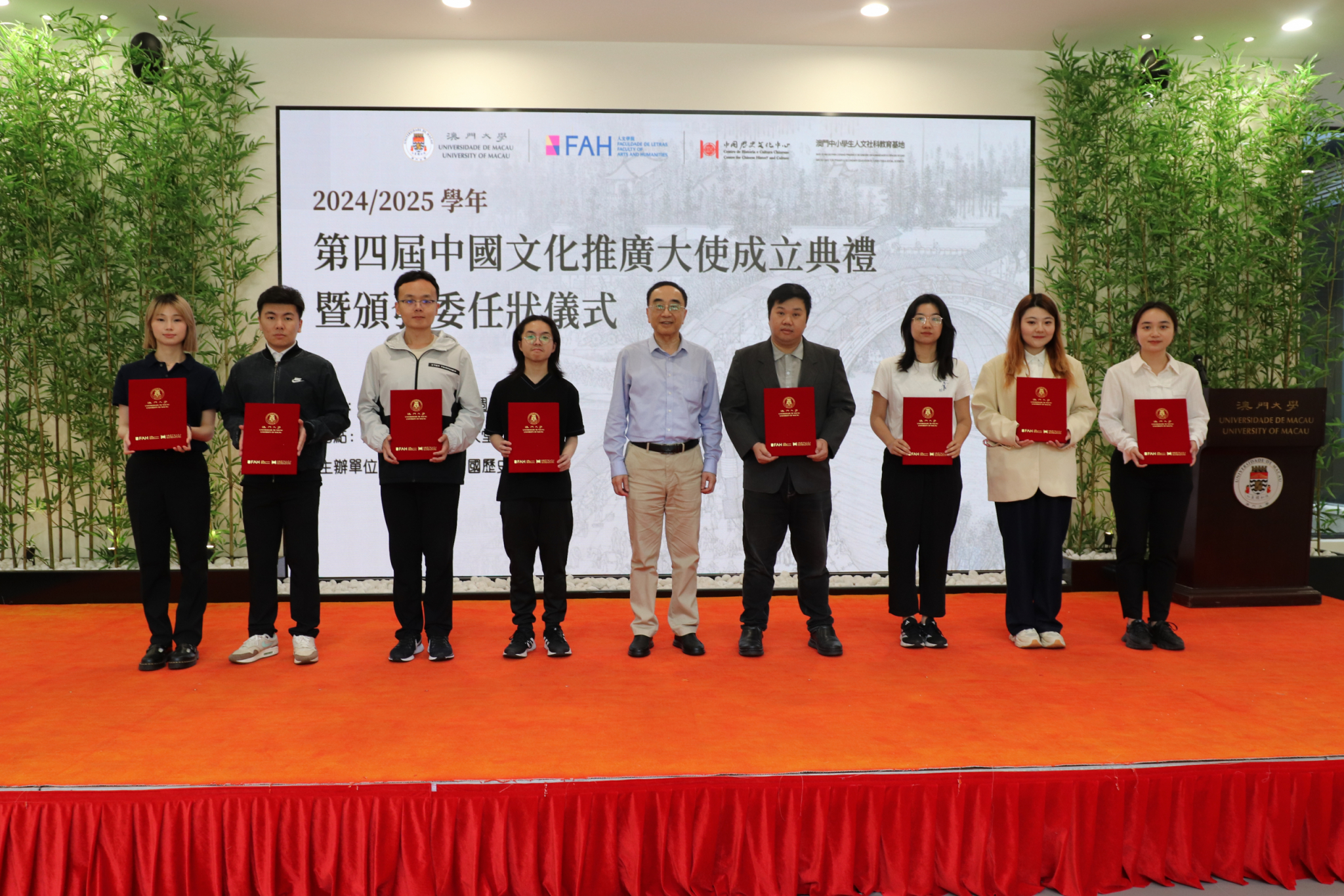
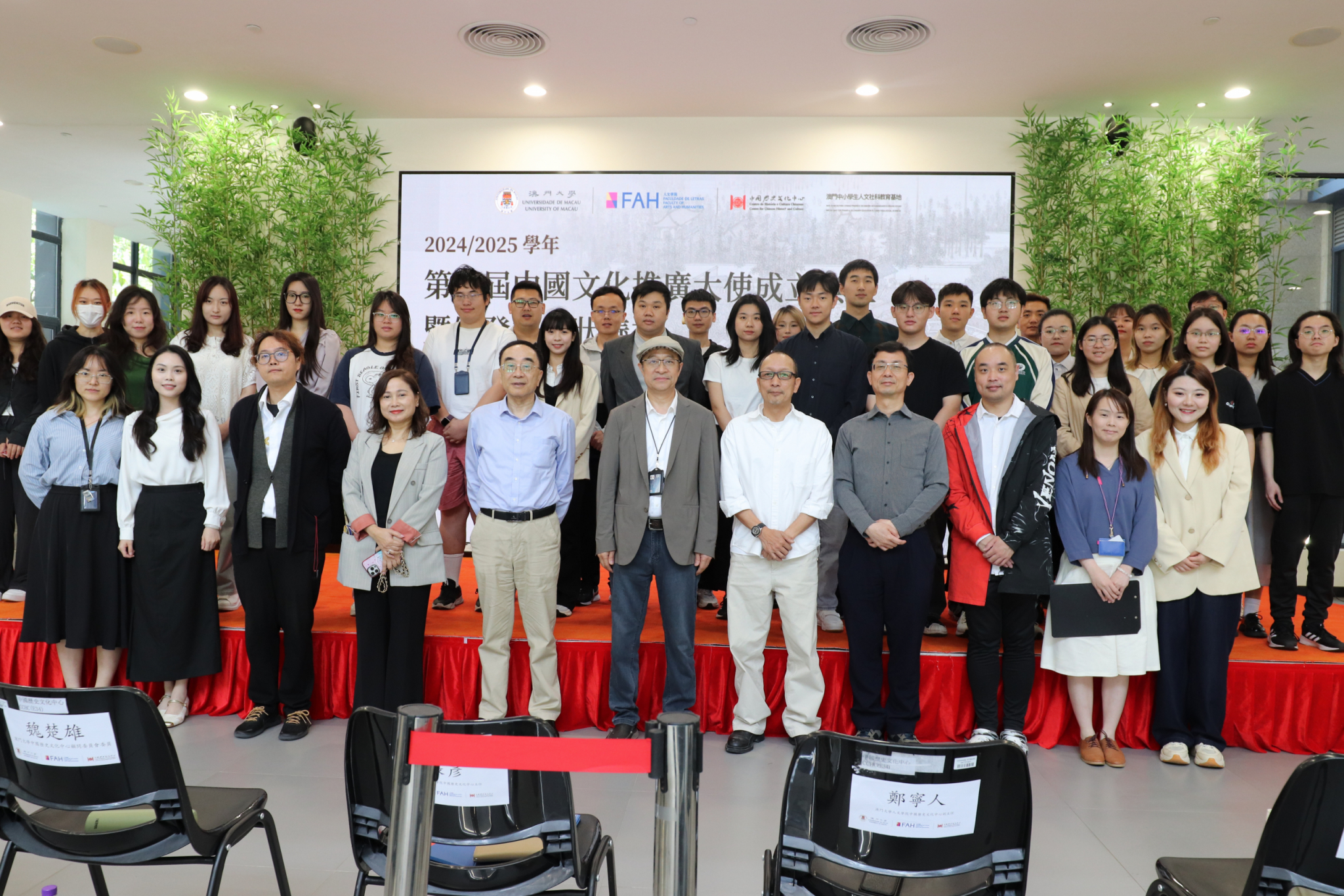
On April 16, 2025, the University of Macau (UM) Centre for Chinese History and Culture hosted a grand inauguration ceremony and certificates of appointment presentation for its 4th Cohort of Chinese Culture Promotion Ambassadors at the Cultural Building (E34).

In his opening address, Centre Director Zhang Yan recounted the program’s founding vision, emphasizing the significance of the “Ambassador” designation: “Unlike mere messengers who relay information, Ambassadors must serve as proactive innovators and practitioners in cultural dissemination.” He expressed hopes that the platform would deepen Macao youth’s understanding of national history and local culture while showcasing the distinctive charm of Chinese civilization and Macao’s cultural heritage. Director Zhang highlighted that previous cohorts had conducted over 100 exchange activities across Macao’s universities, secondary, and primary schools, noting how “these sparks of culture now illuminate the city like a prairie fire.”

Deputy Director Cheang Neng Ian outlined the Centre’s future development plans, pledging to organize more engaging and distinctive cultural activities. He formally invited all Ambassadors to actively participate in contributing to Macao’s cultural prosperity.

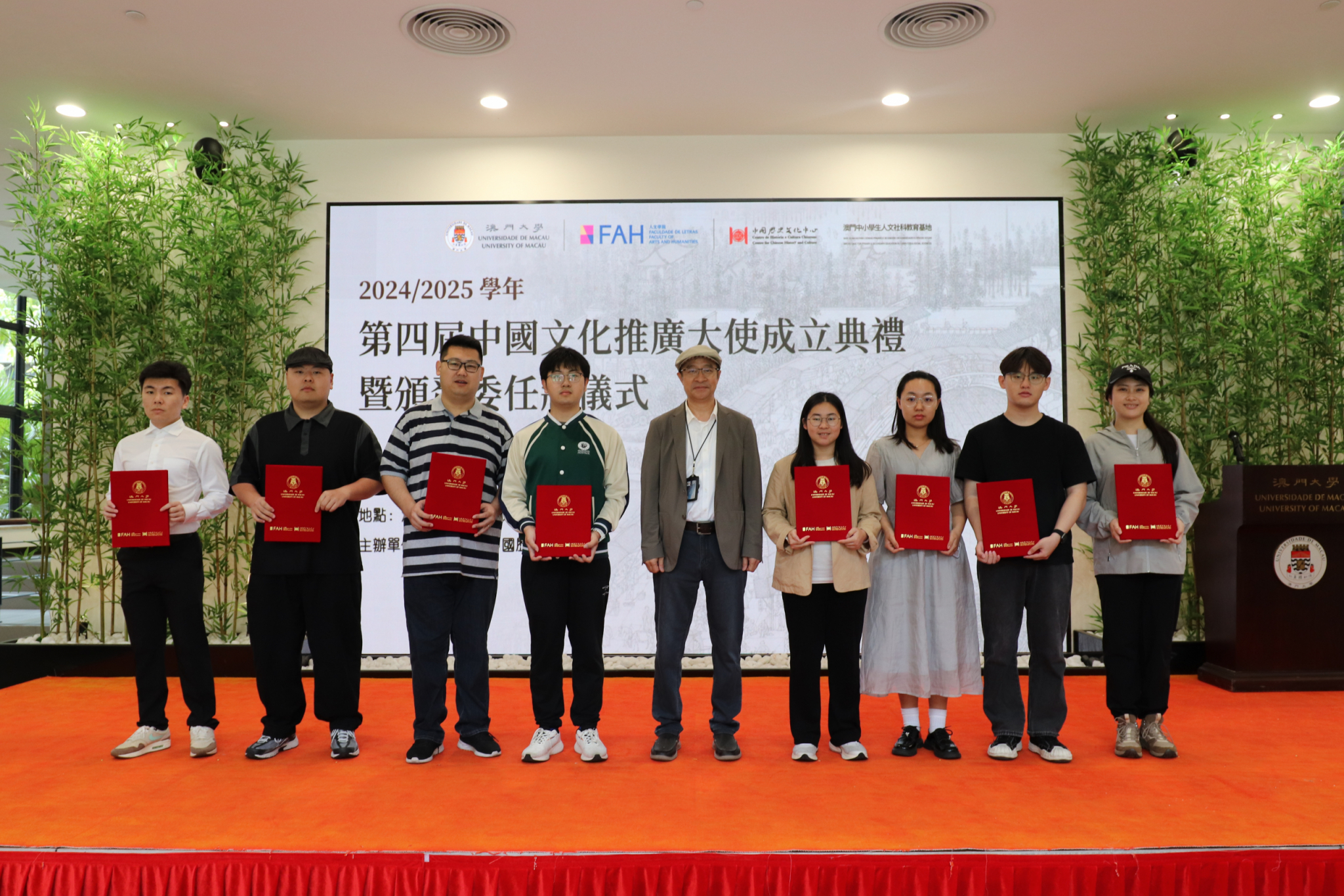
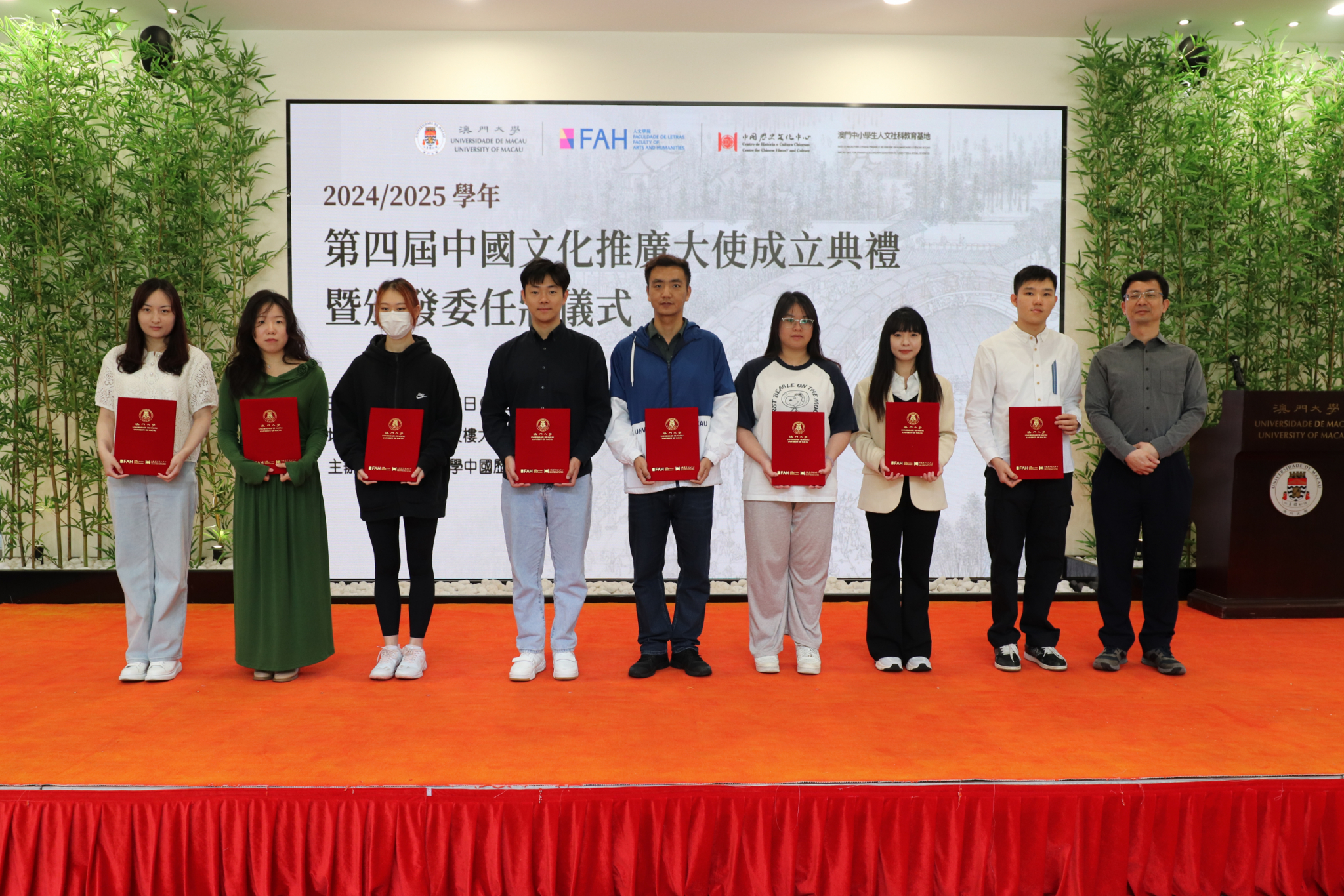
Director Zhang, Deputy Director Cheang, Professor Yeung Siu Kwai, and Professor Wei Chuxiong then jointly presented appointment letters to the new Ambassadors. The leadership acknowledged the ambassadors’ dedicated efforts over the past year, recognizing their sustained participation in the Centre’s cultural exhibitions, forums, seminars, and lectures, which have significantly advanced cultural exchange within Macao society and strengthened UM’s role in preserving Chinese cultural heritage. Following the ceremony, attendees and ambassadors from both current and previous cohorts proceeded to a cultural gathering area for tea and experiential sharing.

The establishment of the 4th Cohort marks a new phase in UM’s cultural heritage initiatives. Guided by the “One Country, Two Systems” principle, the new ambassadors will uphold the philosophy of being “rooted in tradition while embracing innovation.” Using Macao as a gateway, they will engage in academic symposiums, inter-school exchanges, and Greater Bay Area collaborations to present Chinese narratives where the past and present converge.

University of Macau Centre for Chinese History and Culture Master’s Program: “Macao in Chinese History” Series of Cultural Field Trips Successfully Concluded

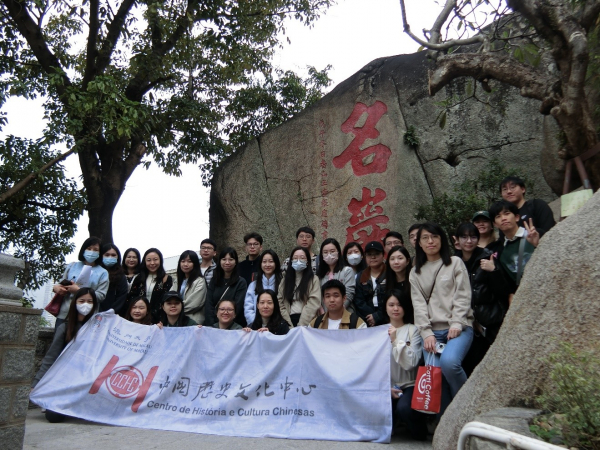
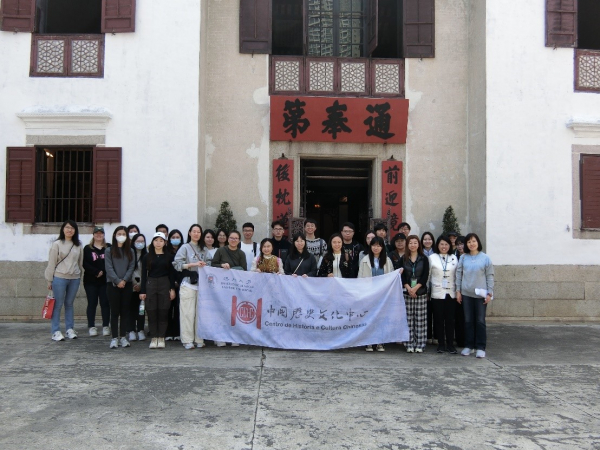
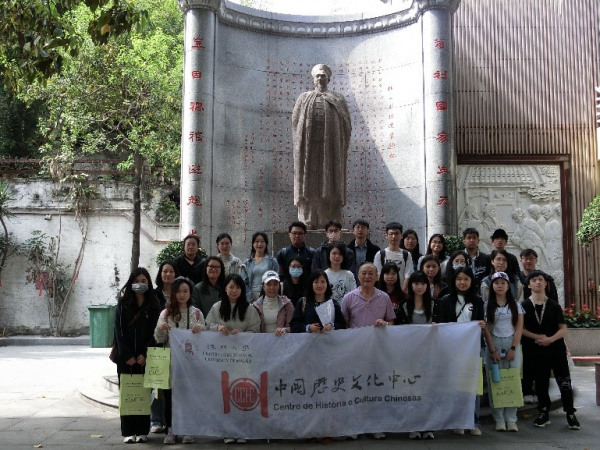
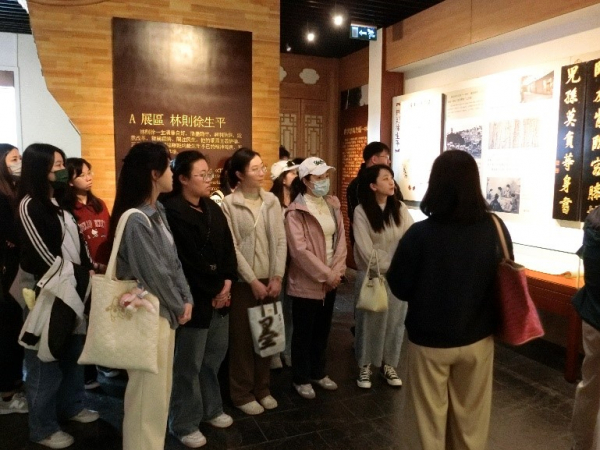
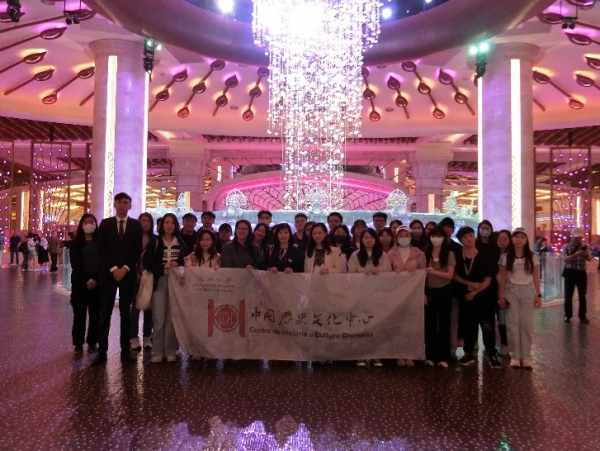
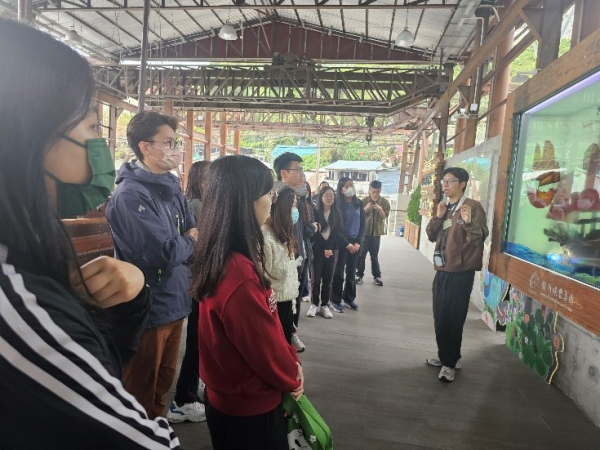
In order to deepen students’ understanding of Macao’s historical and cultural heritage, the University of Macau Centre for Chinese History and Culture Master’s Program “Macao in Chinese History” organized two cultural field trips on February 16, 2025, and April 13, 2025. Led by course instructor Prof. IEONG Hoi Keng, the students visited Macao’s cultural relics, religious sites, and distinctive areas. Through on-site learning and expert explanations, they gained insight into Macao’s profound historical foundation of Macao and the inclusiveness of Chinese culture.

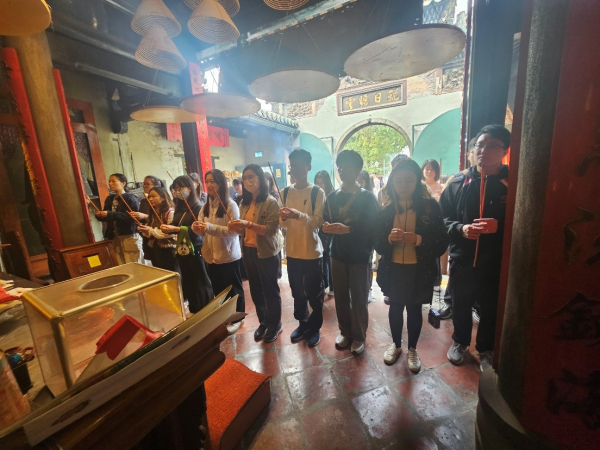
On February 16, 2025, the first field trip began at the A-Ma Temple. Amidst the scenic surroundings, students listened to Prof. IEONG ‘s explanations about the harmony between nature and Mazu culture. Subsequently, Mr. Wong, a tour guide from the Macau Maritime Museum(Museu Marítimo de Macau), elaborated on the maritime history of China and Portugal in Macao. After passing by Moorish Barracks and Largo do Lilau, the group arrived at the Mandarin’s House.

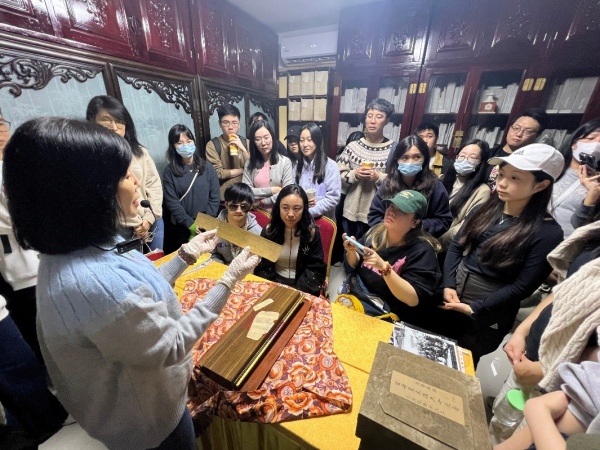
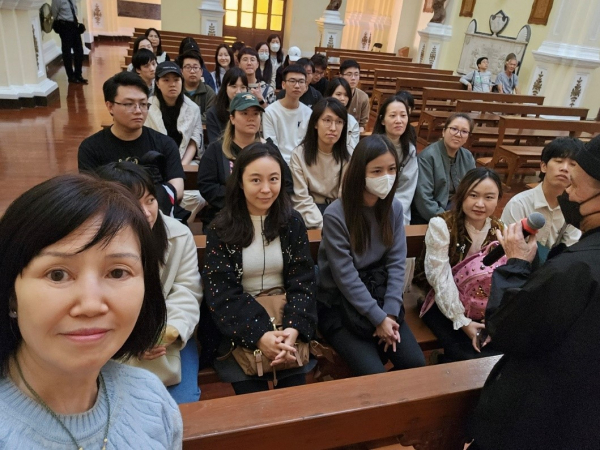
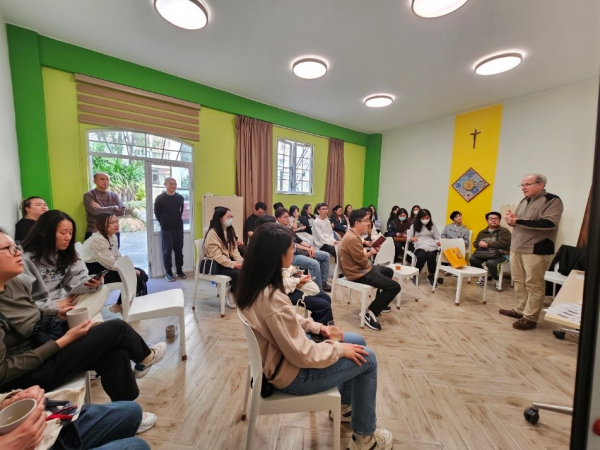
In the afternoon, the students visited the Kong Tac Lam Temple, where they viewed precious ancient books and archives. At St. Joseph’s Seminary and Church, Father Liu led the students on a tour of the religious texts and liturgical artifacts in the church’s treasure house, and explained the development of Catholicism in Macao. The group then engaged in a discussion with Father Fernando, the Jesuit Rector, and others.

The group also visited the Leal Senado Building to learn about the early history of Macao’s self-governance, and the Leal Senado Building Library to explore Macao’s valuable documents. The final stop of the day was the Diocesan Curia, where students interacted with the Bishop in charge of historical archives and cultural relics, and gained a deeper understanding of the diocesan archives and manuscript materials.

On April 13, 2025, The second field trip started at the Museu Lin Zexu de Macau. Students reviewed the historical deeds of the national hero Lin Zexu through joint explanations by the hall curator and Prof. IEONG. They then visited the Lin Fong Temple, Kun Iam Temple, and Kun Iam Tong, analyzing the cultural characteristics of Macao’s diverse folk beliefs through inscriptions and architectural details. Students also enjoyed a vegetarian meal at the Kun Iam Temple.

In the afternoon, representatives from Galaxy Entertainment Group introduced the company’s strategies for promoting cultural sustainability and arranged a visit to the Galaxy Art Collection exhibition. Finally, the students visited the Lai Chi Vun Shipyards to learn about the history and contemporary conservation significance of Macao’s traditional shipbuilding skills.

These two field trips broke through the boundaries of the classroom and provided practical examples for promoting historical and cultural education and the cultivation of patriotic spirit.

The Ninth Phase of the Guangdong-Hong Kong-Macao Students’ “Guangfu Culture” Workshop Concludes Successfully

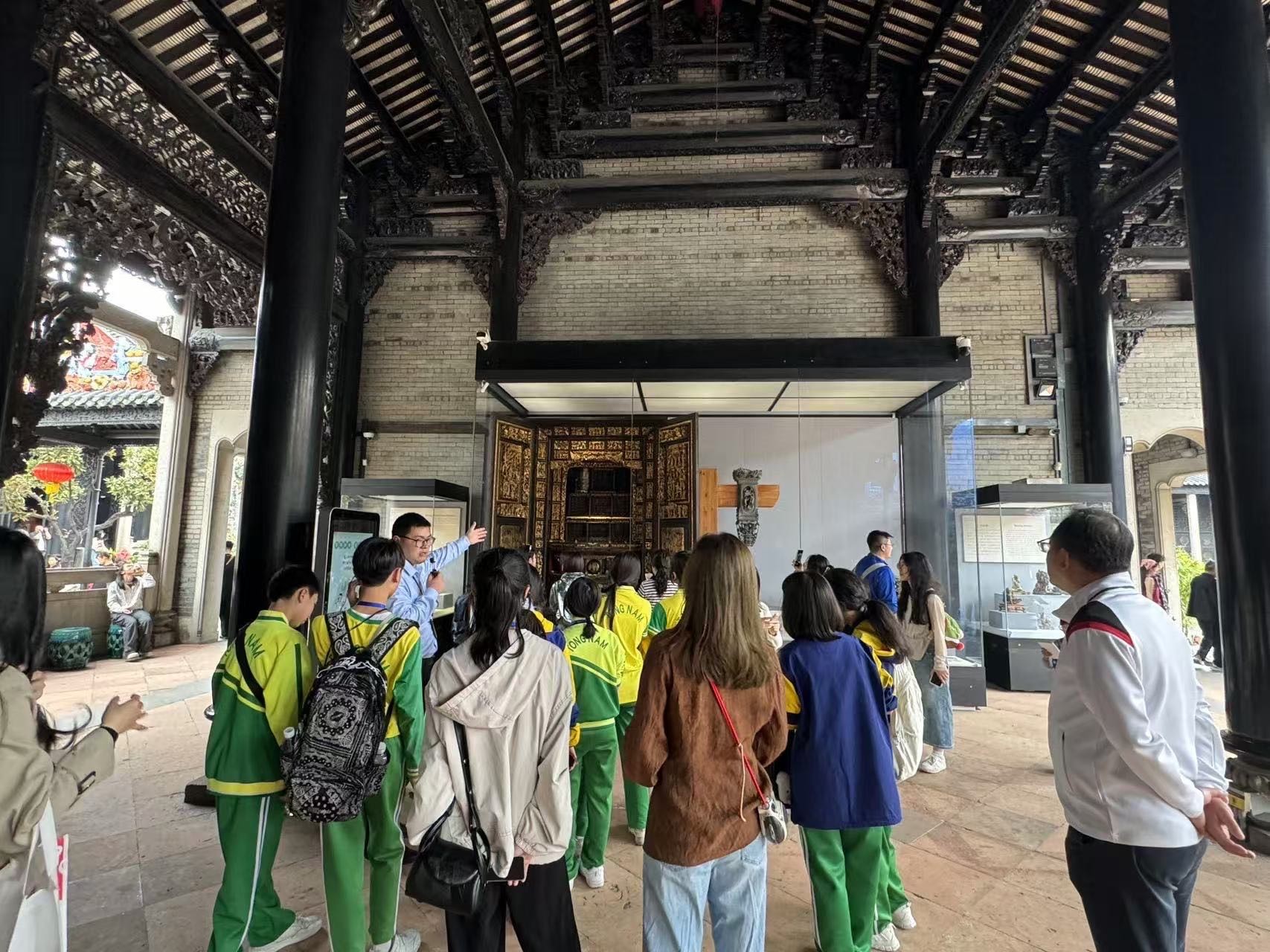
   From April 4 to 6, 2025, the ninth phase of the Guangdong-Hong Kong-Macao students’ “Guangfu Culture” workshop was successfully held in Guangzhou, organized by the Centre for Chinese History and Culture of the University of Macau in conjunction with Jinan University and Escola Tong Nam, with the Hung Sin-nui Arts Centre as a co-organizer. The workshop aimed to “inherit Lingnan cultural context and deepen patriotic education,” utilizing an innovative model of “themed lectures & cultural exploration” to organize 38 teachers and students for an in-depth visit to key landmarks of Guangfu culture, enhancing the youth’s understanding and inheritance of Chinese traditional culture.

       The first day’s itinerary focused on architectural art and urban culture. The workshop’s first stop was the Chen Clan Ancestral Hall, a “pearl of Lingnan architectural art,” where teachers and students interpreted the wisdom of Cantonese architecture through three-dimensional decorative art. Following this, a night cruise on the Pearl River provided a journey through time, allowing participants to experience the continuous civilization of the thousand-year-old commercial capital.

     The second day’s activities continued the theme of national sentiment. During the Qingming Festival, all teachers and students solemnly held a memorial ceremony at the memorial site for the soldiers who died in the 19th Route Army’s defense against Japan, gaining insights into the national spirit through the interpretation of wartime artifacts. At the Hung Sin-nui Arts Centre, participants engaged in lectures and studied the history of Cantonese opera development through precious video materials, also practicing Cantonese opera singing and paying tribute with flowers to the founder of “Hongpai Art.”

On the final day, discussions revolved around the innovation of traditional culture. Professor Sun Enle from Guangdong University of Technology explained the contemporary transformation of Lingnan arts and crafts culture through the making of horse-face skirts. During the closing ceremony, a student representative expressed that “the three-day cultural exploration journey has deepened our understanding of cultural heritage under ‘one country, two systems.'” The workshop concluded with a visit to the former site of the Peasant Movement Training Institute, completing a dual enhancement of theory and practice at a red education base.

       The Centre for Chinese History and Culture of the University of Macau serves as an important platform for the study and practice of Chinese historical culture in the Hong Kong and Macao regions, continually committed to promoting cultural identity education among Guangdong-Hong Kong-Macao youth. This workshop integrated three major modules: cultural exploration, intangible heritage learning, and red education, effectively combining theoretical learning with social practice, guiding students to comprehend the continuity of Chinese civilization within tangible cultural contexts. It aims to provide solid support for Macao’s educational practice of “cultivating people through culture and educating through history,” helping the youth of the Guangdong-Hong Kong-Macao Greater Bay Area deepen their national sentiment and strengthen the foundation of cultural confidence in Chinese culture.

Retracing the Red Journey of the Dongjiang Column: Building a Monument of Patriotism Together

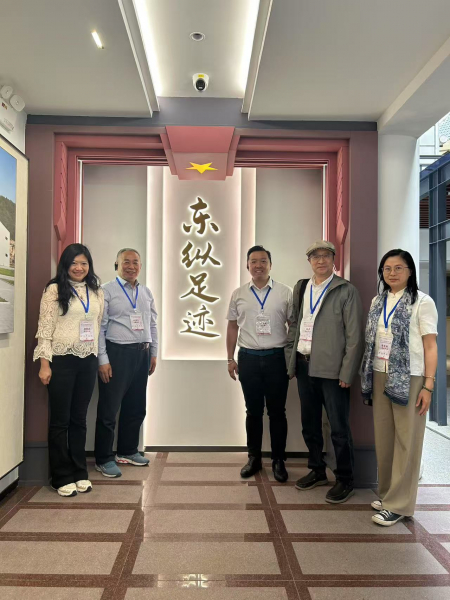
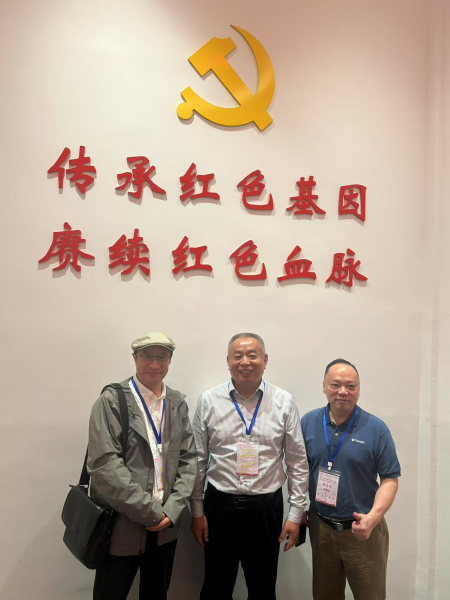
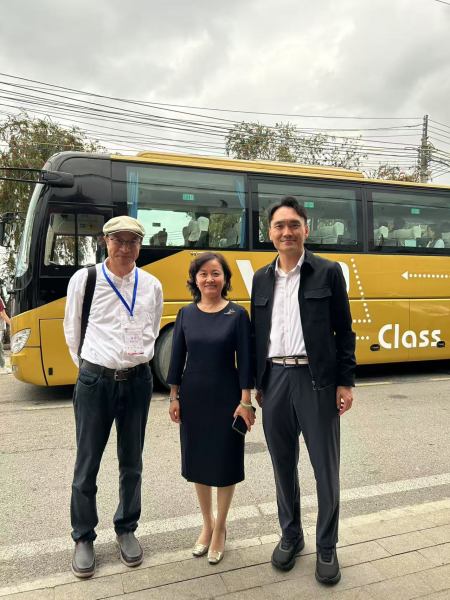
In commemoration of history and in remembrance of our heroic martyrs, to inherit and promote the great spirit of the War of Resistance against Japanese Aggression and patriotism, on the occasion of the 80th anniversary of the victory of the Chinese People’s War of Resistance against Japanese Aggression and the World Anti-Fascist War, and the 26th anniversary of Macao’s return to the motherland, the “Retracing the Footsteps of the Dongjiang Column: Macao Education Leaders’ Visiting and Exchange Delegation” was held from April 12 to 14. The event was jointly organized by the General Association of Macau Guangzhou Associations, the San Mei Natives General Association of Macau, the Association of Hoi Luk Fung, the Association of Huizhou Macau, the Macao Chong San Association, and the Macau Education and Youth Development Bureau. The delegation visited four places in Guangdong Province—Zhongshan, Shantou, Huizhou, and Guangzhou—to revisit the history of the Dongjiang Column and deepen patriotic education. More than 40 leaders from the Macao education sector, including Prof. Zhang Yan, director of the Centre for Chinese History and Culture (CCHC) of the University of Macau(UM), participated in this meaningful visit and exchange activity.

On the morning of the 12th, the visiting and exchange delegation held a solemn inauguration ceremony in Zhongshan. Subsequently, the delegation visited the Gu Family Ancestral Hall, the Yang Yin’s Former Residence, and the Yang Yin Martyr Memorial Exhibition. At Yang Yin’s Former Residence, through precious cultural relics, vivid pictures, and detailed information, the delegation gained an in-depth understanding of Yang Yin’s life dedicated to the revolutionary cause and deeply felt his firm belief and selfless dedication.

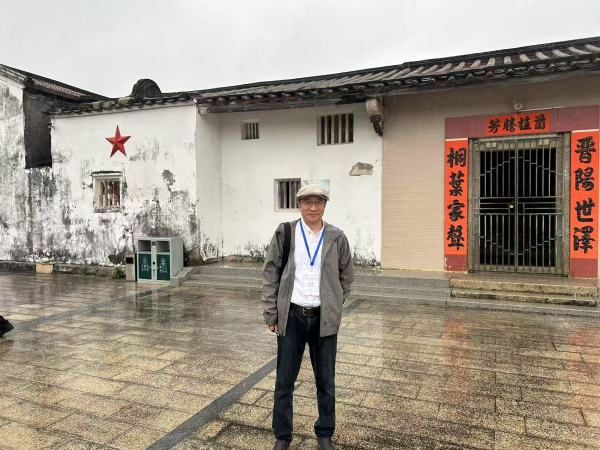
In the afternoon of the 12th, the delegation moved from Zhongshan to Shantou. At TongLuoZhai Village and the former site of the CPC Hailufeng Central County Committee (Qinyuan), they paid homage to the red cultural relics and listened to heroic stories. Local guides vividly narrated the combat history and revolutionary deeds of the Dongjiang Column in the Shantou area, allowing the members of the delegation to feel as if they had traveled back in time to the war-torn era. They profoundly realized that this red land of Shantou has nurtured countless heroes who made significant contributions to the victory of the Chinese revolution.

On the morning of the 13th, the delegation continued their journey in Shantou, heading to Haifeng County to visit the Red Palace Memorial Museum. Haifeng is the birthplace of China’s first Soviet regime. Peng Pai, a pioneer of the Chinese peasant movement and one of the early important leaders of the Communist Party of China, was called the “King of Peasant Movement” by Mao Zedong. This was the revolutionary venue where Peng Pai and other Communists led the people of Hailufeng to establish the first Soviet regime. With a reverent heart, the delegation members delved into the history of the Chinese peasant movement and the revolutionary deeds of Martyr Peng Pai.

At noon on the 13th, the delegation moved from Shantou to Huizhou, visiting the former site of the Dongjiang Column Command Department and the Dongjiang Column Memorial Hall in Boluo County. At the former site of the Dongjiang Column Command Department, it seemed as if they could see the commanders of the Dongjiang Column planning and directing battles. The memorial hall, with its rich exhibits and detailed historical materials, comprehensively displayed the development process and brilliant achievements of the Dongjiang Column. Through the visit, the delegation members gained a deeper understanding of the history of the Dongjiang Column, further enhancing their national pride and sense of responsibility.

In the evening of the 13th, the delegation arrived in Guangzhou and held a sharing session at Taoranxuan on Ersha Island. The event invited Ms. Peng Yina, granddaughter of Martyr Peng Pai, to give a themed speech. She spoke on “Devoted to the Country’s Woes—The Patriotism and Family Tradition of Peng Pai,” recounting the touching story of how Peng Pai, despite his wealthy background, was deeply concerned about the country’s peril and the people’s suffering. He gave up his family fortune to join the revolution and sacrificed his life for the ideal of saving the country. She also shared the story of her family member, Academician Peng Shilu, who dedicated himself to China’s nuclear submarine industry. She called on the younger generation of Macao to remember their original aspirations and continue to contribute to the prosperity and development of Macao and the country.

This “Retracing the Footsteps of the Dongjiang Column: Macao Education Leaders’ Visiting and Exchange Delegation” activity was not only a red journey but also a heritage of spirit. Through on-site visits, listening to explanations, and sharing experiences, the delegation profoundly understood the connotation and value of the Dongjiang Column spirit, further strengthening the cultural exchange and emotional connection between Macao and the mainland. In the days to come, this red spirit will take root in the education sector of Macao. The CCHC of the UM will continue to promote the revolutionary spirit, inspiring more Macao youth to strive for the great rejuvenation of the Chinese nation and the realization of the Chinese Dream.
 

The Renewal Ceremony for the Base for Promotion of Chinese history and culture in Primary and Secondary schools at Escola Tong Nam was held

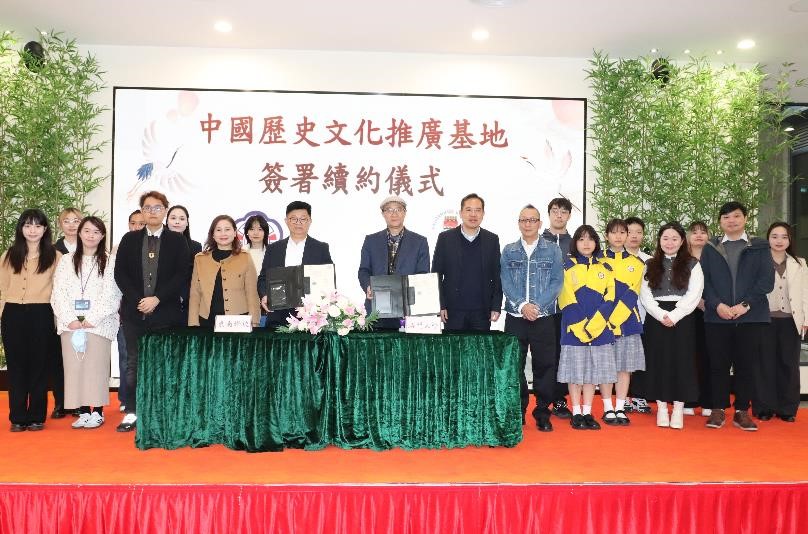
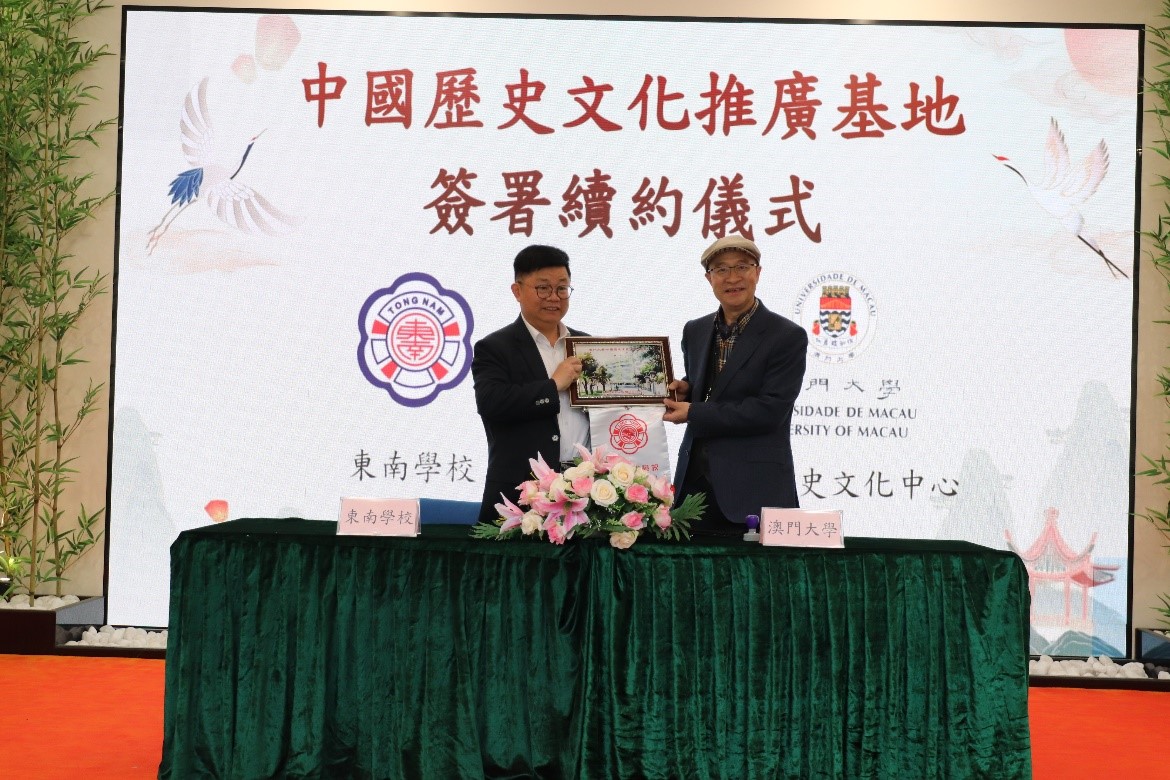
On February 26, 2025, Escola Tong Nam and the Centre for Chinese History and Culture of University of Macau held the “Renewal Ceremony for the Base for Promotion of Chinese history and culture in Primary and Secondary schools” at E34 Cultural Building. The “Base for Promotion of Chinese history and culture in Primary and Secondary schools ” is an important project of the Centre, aimed at promoting excellent traditional Chinese culture, deepening local students’ understanding of Chinese culture, enhancing national identity, and inspiring students’ patriotic enthusiasm. Through close collaboration with local schools, the base strives to establish a model for universities and primary and secondary schools to work together in disseminating and inheriting Chinese culture, injecting new vitality into Macao’s cultural education.

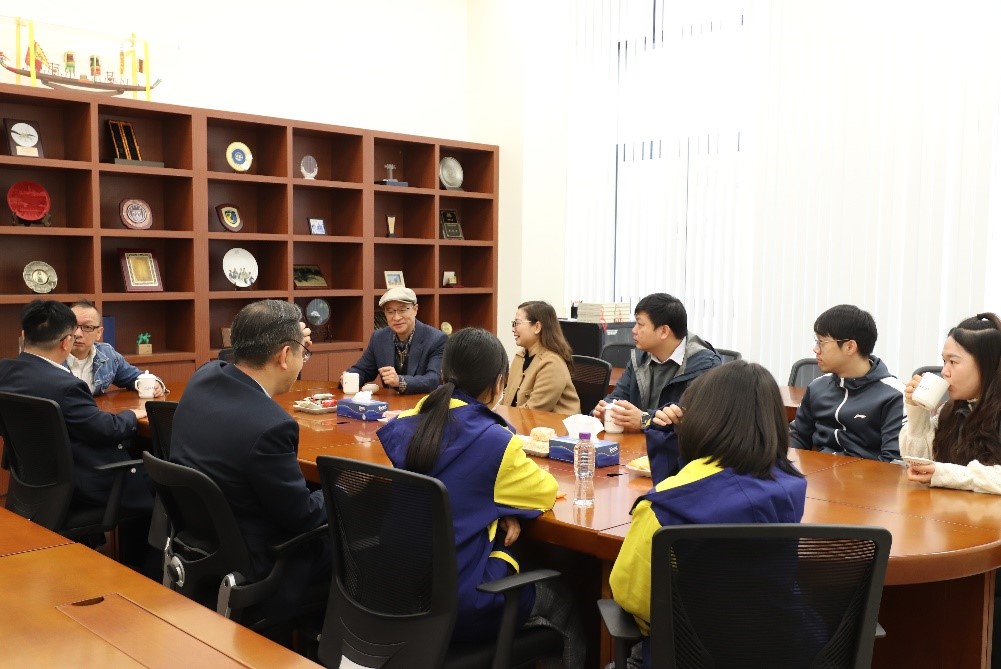
Before the ceremony, the Centre for Chinese History and Culture engaged in in-depth exchanges with Escola Tong Nam. Both parties expressed high expectations for future cooperation and hope to achieve more breakthrough results in Macao’s primary and secondary education through closer and more innovative collaboration, jointly promoting the inheritance and development of Chinese culture.

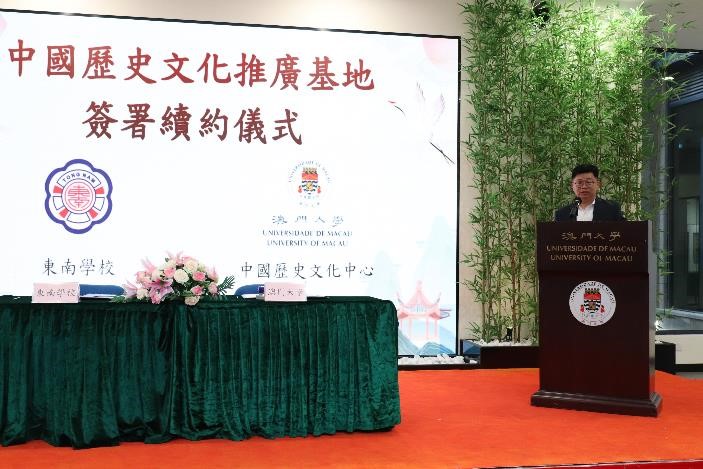
At the renewal ceremony, Principal Cheang Hong Kuong of Escola Tong Nam delivered a speech, stating that the Centre for Chinese History and Culture has made significant contributions to the inheritance of Chinese culture and has also nurtured the new generation of local students. He welcomed the Centre’s continued guidance in the school’s related work.

Subsequently, Professor Zhang Yan, Director of the Centre for Chinese History and Culture of University of Macau, delivered a speech. He expressed gratitude to Escola Tong Nam for its sincere cooperation and joint efforts with the Centre over the past four years, which has promoted the dissemination of Chinese historical and cultural knowledge on campus. The Director also looked forward to deepening the cooperation between the Base for Promotion of Chinese history and culture in Primary and Secondary schools and Escola Tong Nam in the future, with a broader vision and a stronger sense of social responsibility, to support the growth of Macao’s youth, enabling them to engage in social practice and national development in a healthier and more positive manner.

Finally, the representatives of both parties—the representative of the Base for promotion of Chinese History and Culture in primary and secondary schools, Professor Zhang Yan, Director of the Centre for Chinese History and Culture, and Principal Cheang Hong Kuong of Escola Tong Nam—successfully conducted the renewal signing ceremony and exchanged souvenirs. This symbolizes the commitment of both parties to long-lasting cooperation and the shared cultivation of talent, as well as the passing down of cultural heritage.

Ink Charm Passes the Torch, Embracing Global Cultures — Centre for Chinese History and Culture Actively Participates in UM Language and Culture Day

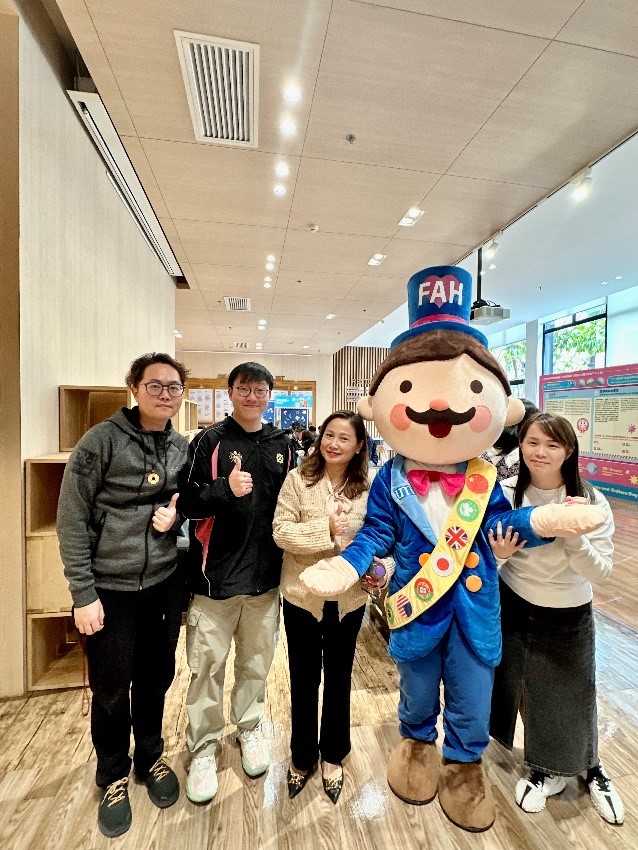
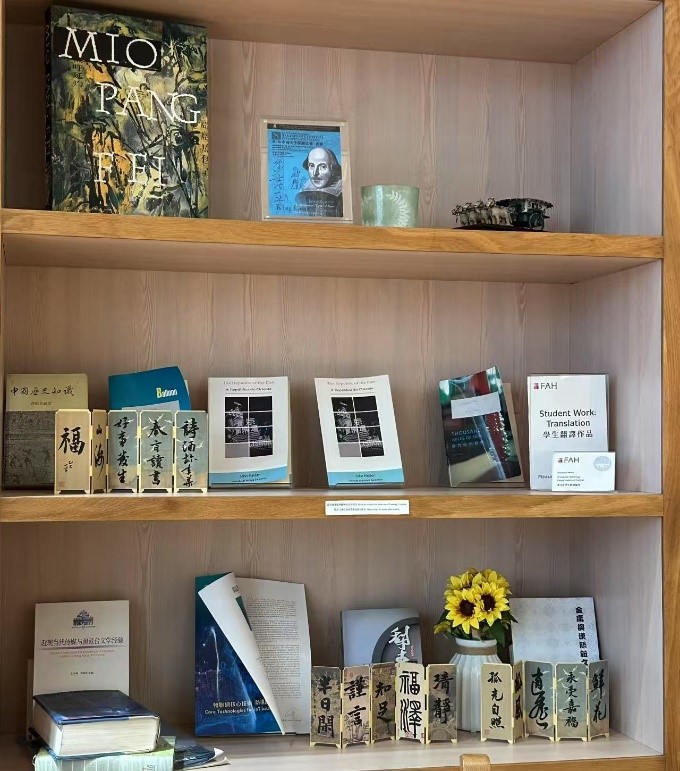
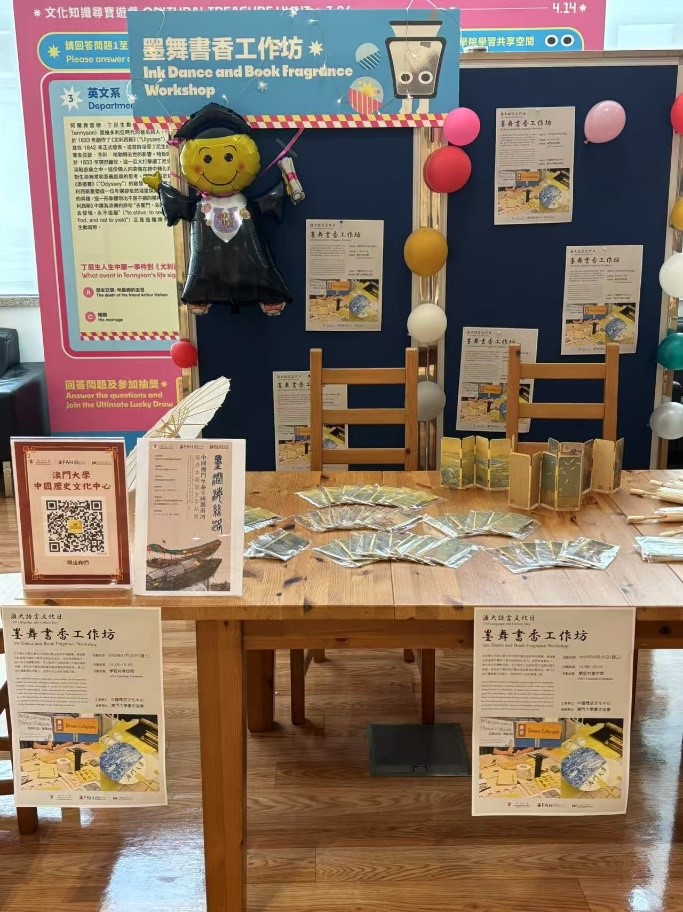
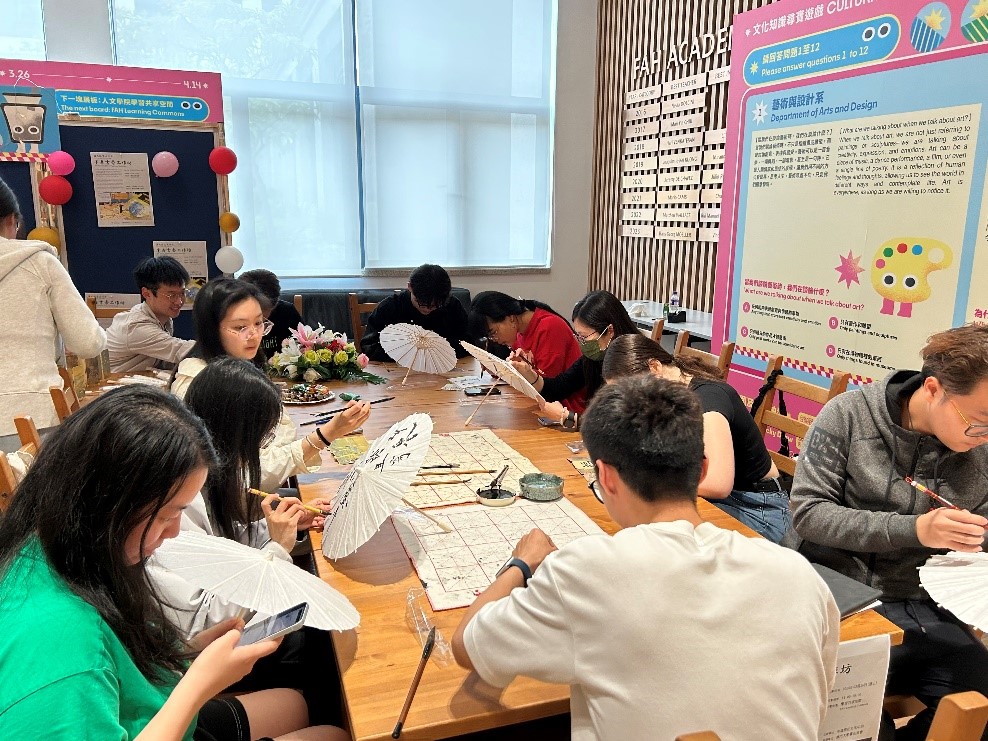
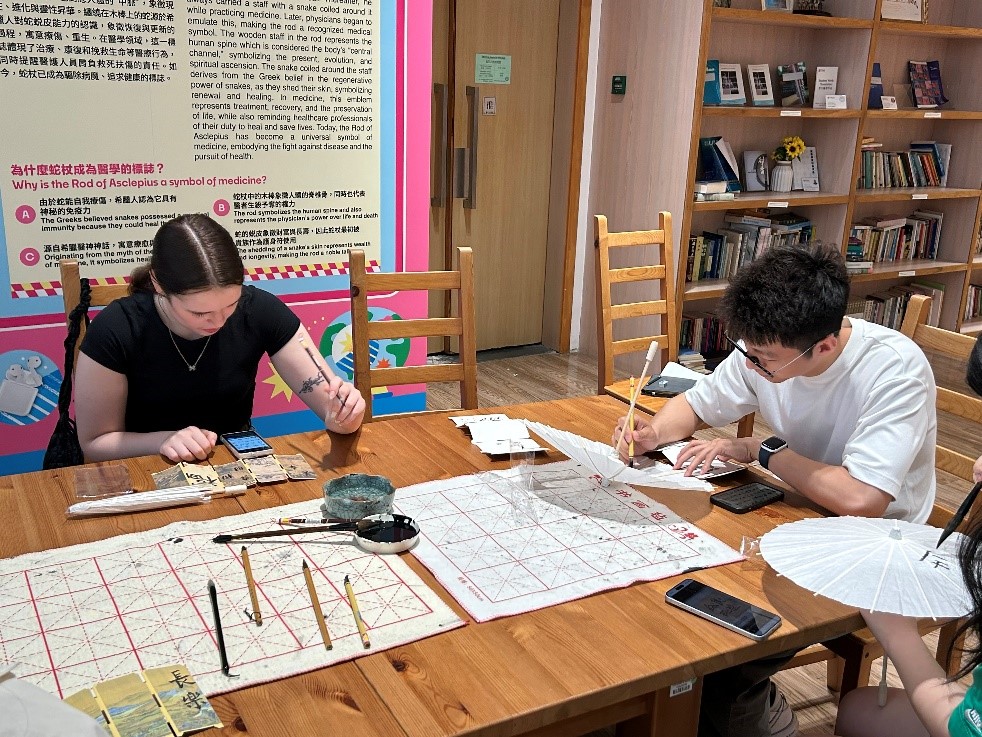
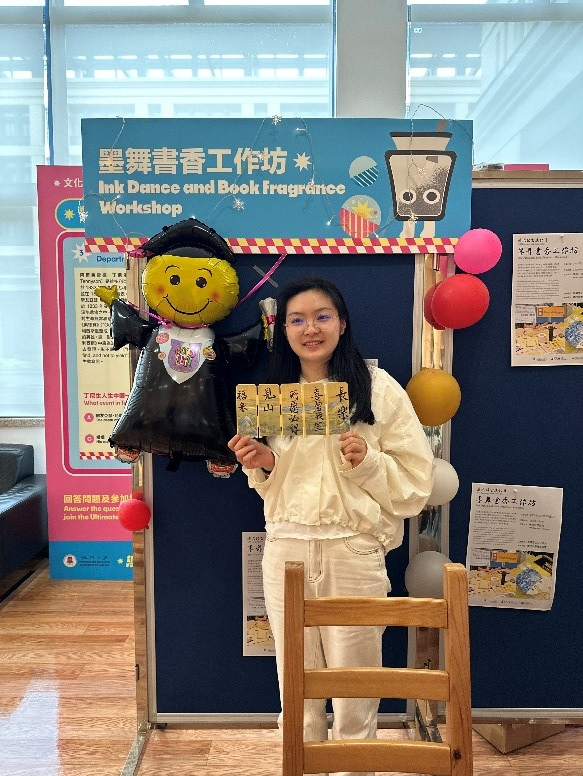
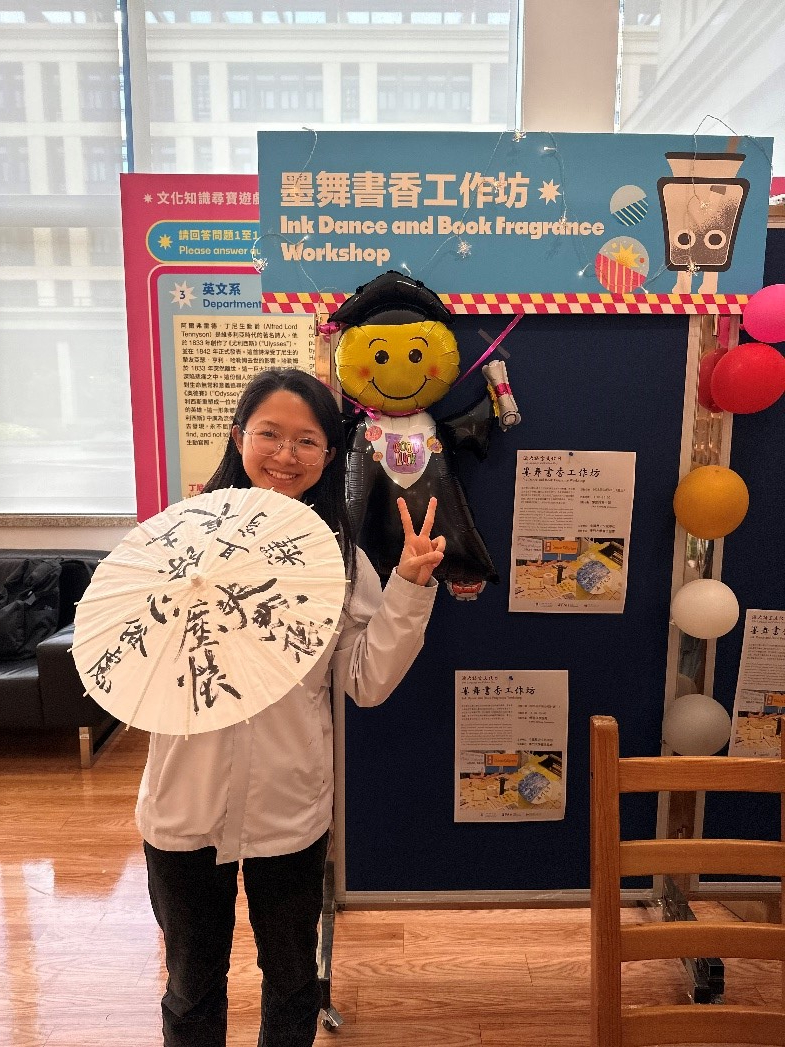
In an effort to preserve mother tongues, advocate for linguistic and cultural diversity, and cultivate students’ critical thinking, the Faculty of Arts and Humanities (FAH) at the University of Macau (UM) successfully held the UM Language and Culture Day on 26 March 2025. This year’s event continued the theme of ‘Value Your Own Language; Embrace Everyone’s Cultures’, creating a cross-border, multicultural exchange platform through three signature segments: a multicultural performance, language and culture workshops, and a knowledge treasure hunt. The CCHC and the UM Calligraphy Association took innovative calligraphy creation as the entry point to awaken the perception of mother tongues through immersive cultural experiences, attracting many teachers and students to participate together.

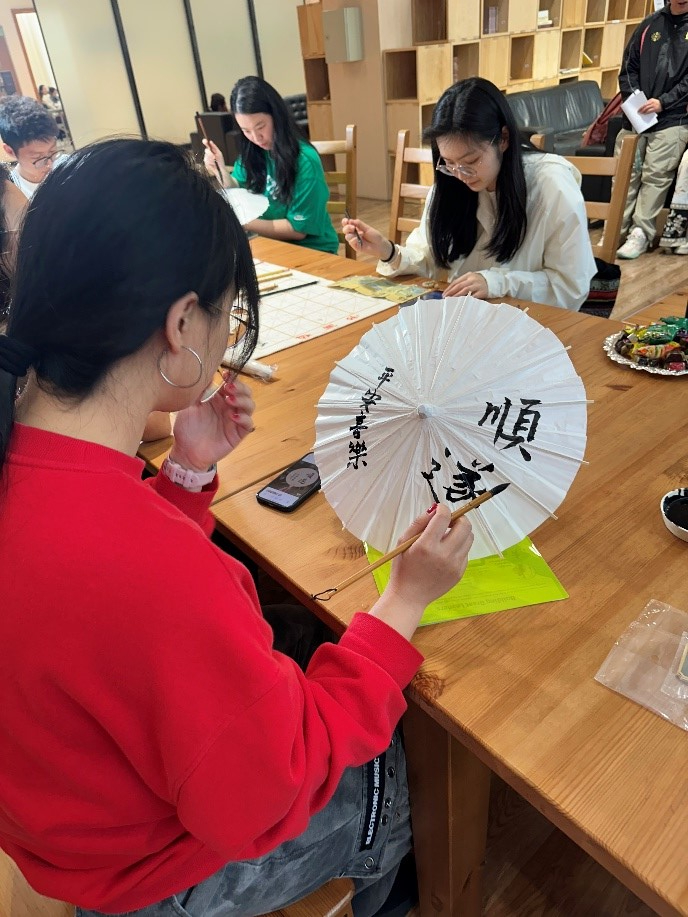
The Ink Dance and Book Fragrance Workshop, hosted by the CCHC at the Language and Culture Day, aimed to allow participants to deeply experience the charm of Chinese calligraphy. As a living fossil of the evolution of Chinese civilization, the inheritance and innovation of Chinese calligraphy are a vivid practice of linguistic and cultural conservation. In the calligraphy workshop, students actively used their imagination to integrate ancient scripts such as oracle bone script and seal script into light and shadow art on modern carriers like calligraphy screens. They also freely expressed themselves by writing poetry in cursive script on oil-paper umbrellas. Under the guidance of professionals, they created unique calligraphy handicrafts. The interplay of classical and modern elements in the flowing brushstrokes allowed participants to not only appreciate the beauty of the characters and the charm of the ink but also to experience the fluidity of Eastern philosophy.

The Language and Culture Day was not only a cultural feast interwoven with tradition and modernity but also a spiritual bond connecting the past and the future. As night fell, teachers and students strolled around the campus holding their own calligraphy moon lanterns. The warm yellow glow illuminated the smiling faces of people from different countries, resembling a miniature galaxy of civilizations—each mother tongue culture shining like a unique star, illuminating the common spiritual home of humanity.


Minister Director Wan Sucheng Meets with Professor Zhang Yan and Delegation from the Centre for Chinese History and Culture

Director Wan Sucheng received a delegation from the Centre for Chinese History and Culture led by Prof. Zhang Yan.

Director Wan Sucheng engaged in an exchange with Prof. Zhang Yan.


On the morning of February 10, 2025, Prof. Zhang Yan, Director of the Centre for Chinese History and Culture at the University of Macau, led a delegation to visit the Department of Publicity and Culture of the Liaison Office of the Central People’s Government in Macao. The delegation was warmly received by Director Wan Sucheng. During the meeting, Prof. Zhang provided a detailed report on the Centre’s future work plans to the Liaison Office. Director Wan emphasized that Macao holds a special significance in the development of the motherland. He pointed out that the Centre should align its cultural exchange activities with mainland policies to promote cultural integration and in-depth cooperation, and work hand-in-hand with cultural promotion centers across the country to advance the global dissemination of Chinese culture.

During the exchange, Director Wan stressed that the Centre’s future cultural activities should focus more on the unique Macao characteristics of Sino-Western cultural integration and strive to become a bridge for cultural exchanges between the mainland and the international community. Macao’s culture, with its unique continuity, unity, peacefulness, inclusiveness, and innovation, is an important part of Chinese culture and can be seen as a practical example of the community with a shared future for mankind. The Centre’s past work, through activities such as promoting Chinese culture in primary and secondary schools and regularly publishing periodicals, has actively promoted China’s development achievements, strengthened cultural services overseas, and showcased the unique charm of Chinese culture. The Centre should closely cooperate with the Ministry of Culture and Tourism to apply for becoming an overseas cultural centre, explore the creation of unique cultural brands, and further promote civilizational exchanges and mutual learning internationally. Additionally, the Centre should fully utilize Macao’s participation in the “Culture City of East Asia” project to enhance its status on regional and international cultural stages through cultural research and dissemination.

Both Director Wan and Prof. Zhang agreed that Macao has received full support from national funds in the fields of culture, arts, and academic research. The motherland has provided a solid foundation for Macao’s cultural development and looks forward to Macao further enhancing its influence on the international cultural stage. The Centre should continue to deepen cooperation with the mainland and the international community, explore new models for cultural exchange and dissemination, and contribute to the global promotion of Chinese culture.

Also attending the visit were Deputy Director Bai Bing and Deputy Section Chief Xu Dongjie from the Department of Publicity and Culture of the Liaison Office, as well as Cheang Neng Ian Deputy Director of CCHC of UM, KUAN Sio In, Principal Administrative Officer, Administrative Officer WONG Keng Mang, and TONG Ho Kei,  Administrative Staff

The Centre for Chinese History and Culture of UM Successfully Hosts the Event of 2024 Inheritance in the City

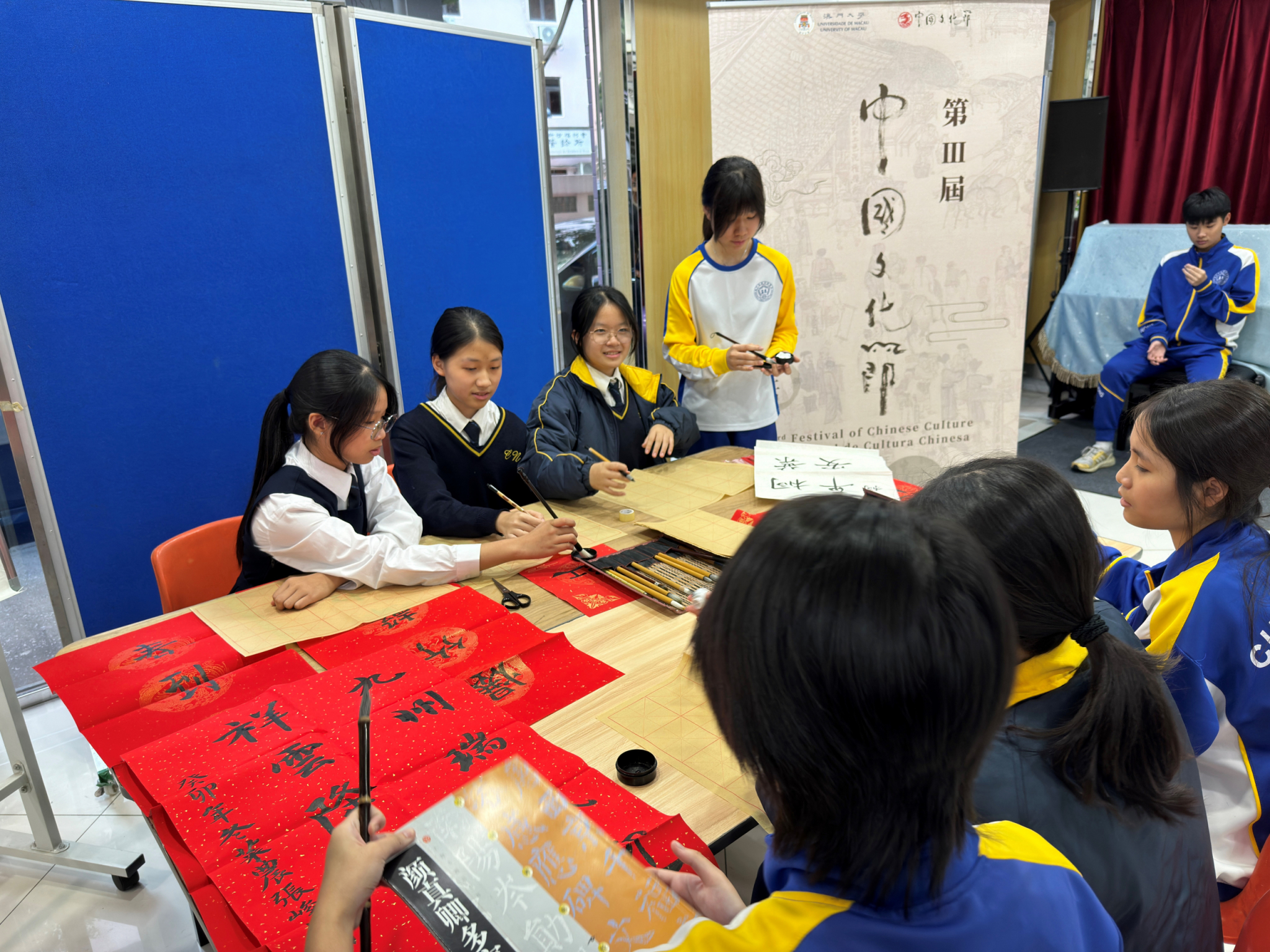
The Centre for Chinese History and Culture(CCHC) of University of Macau(UM) successfully hosted the event of 2024 Inheritance in the City, aimed at further promoting the profound and extensive nature of Chinese culture and enhancing Macao teenagers’ understanding and inheritance of traditional Chinese culture. This event was part of the 3rd Festival of Chinese Culture series.

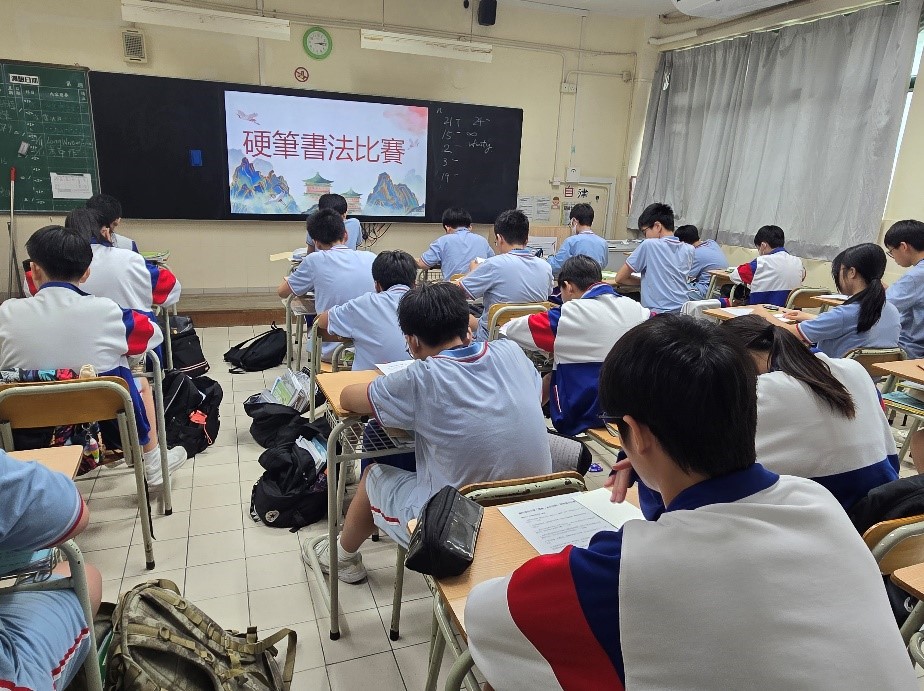
The event received enthusiastic support from all sectors of Macao society and attracted active participation from numerous primary and secondary schools. Through various forms such as displays and competitions, the event was carried out within Macao’s primary and secondary schools, covering a wide range of traditional Chinese cultural content. It provided a platform for young people to learn and communicate. The event focused on integrating excellent Chinese culture into campus education, enhancing Macao teenagers’ understanding of Chinese culture, and fostering their cultural confidence and patriotic spirit. The CCHC of UM will continue to actively promote similar events to create more opportunities for Macao’s youth to understand, experience, and inherit Chinese culture, contributing to the dissemination and development of excellent traditional Chinese culture in Macao.

Macau Baptist College’s Hard-Pen Calligraphy Competition

Kao Yip Middle School’s “Knowledge” in China Activity Competition

Escola Oficial Zheng Guanying’s Peking Opera and Kunqu in Campus Activity

Escola Tong Nam’s Chinese Cultural Knowledge Card Design Competition

Escola Choi Nong Chi Tai school ‘s Children School’s “Character” Encounter Competition

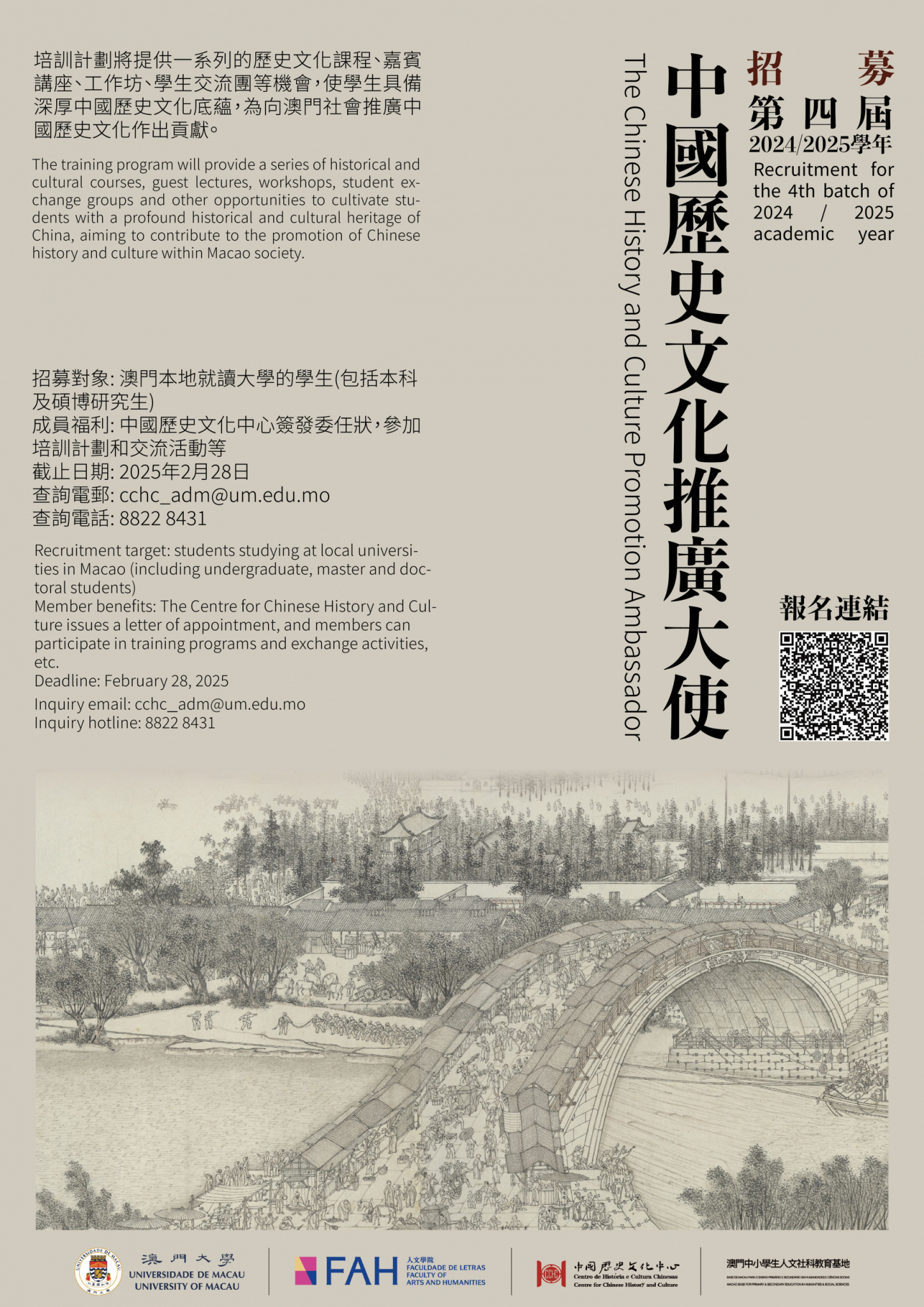
Recruitment for Chinese History and Culture Ambassadors for the 2024/2025 Academic Year

The Centre for Chinese History and Culture of UM is now launching the Chinese History and Culture Promotion Ambassador training program, aimed at cultivating students’ enthusiasm for Chinese history and culture and enhancing their knowledge of China’s excellent traditional culture. Through sharing sessions, seminars, lectures, symposiums, and exchange programs, the Chinese History and Culture Promotion Ambassador training program will deepen students’ understanding of Chinese history and traditional culture, and enable them to become core forces in the dissemination and promotion of Chinese historical and cultural heritage. The term for Ambassadors is two years, with the possibility of renewal.

Organizer:
Centre for Chinese History and Culture, University of Macau

Purpose of the Program:

  • Enhance understanding of Chinese and Macao history
  • Improve students’ cultural literacy
  • Inherit excellent Chinese traditional culture
  • Strengthen patriotic and Macao-loving consciousness through the role of Chinese History and Culture Promotion Ambassador

Target Audience:

  • University students studying in Macao (including undergraduates and postgraduates)
  • Those interested in Chinese history and culture

Individuals with a sense of responsibility, active participation, and high engagement

What You Will Gain by Joining:

  • Receive an appointment certificate as a “Chinese Culture Ambassador”*
  • Participate in training programs organized by the Centre for Chinese History and Culture
  • Engage in exchange activities and other events hosted by the Centre

Inquiries:
Mr. Wong, Centre for Chinese History and Culture
Tel: 8822 8431; Email: cchc_adm@um.edu.mo

The Centre for Chinese History and Culture of University of Macau reserves all rights to interpret and amend the program.