The University of Macau’s Centre for Chinese History and Culture Successfully Hosts Themed Lecture “Cross-Boundary Symbiosis: Opening New Perspectives on the Heritage Preservation and Development of Xiangyunsha”
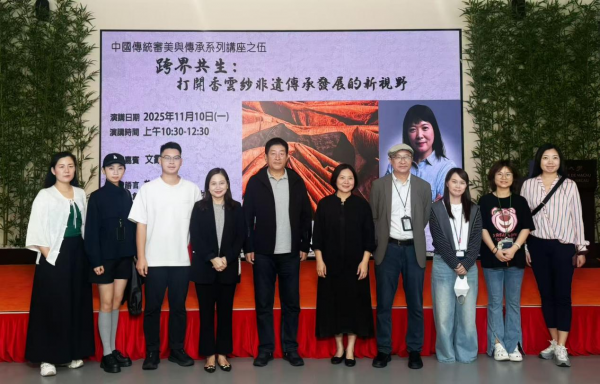
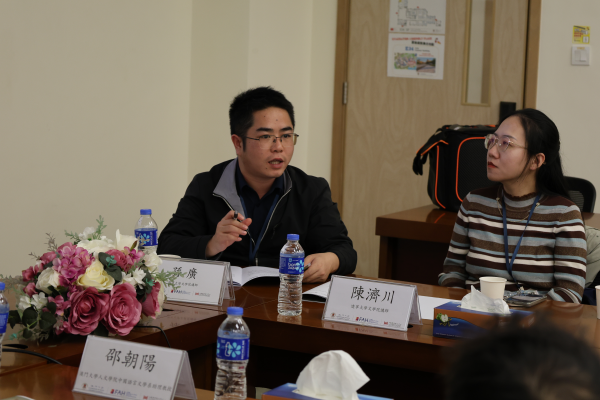
On the morning of November 10, 2025, to deepen traditional culture education and promote the preservation and development of intangible cultural heritage, the Centre for Chinese History and Culture (CCHC) at the University of Macau (UM) successfully held a themed lecture titled “Cross-Boundary Symbiosis: Opening New Perspectives on the Heritage Preservation and Development of Xiangyunsha” at Cultural Building. The lecture specially invited Prof. Wen Xia from the School of Design at Foshan University as the keynote speaker, moderated by Prof. Zhang Yan, Director of the CCHC at the UM, and attracted many participants including faculty and student representatives from the UM and Chinese Culture Promotion Ambassadors.

At the opening of the lecture, Prof. Zhang Yan, representing the organizing unit, extended a warm welcome to Prof. Wen Xia, the keynote speaker, distinguished guests, Prof. Ma Xinlin, Dean of Central Wenshi Yanjiuguan Painting & Calligraphy Academy and other UM staff.
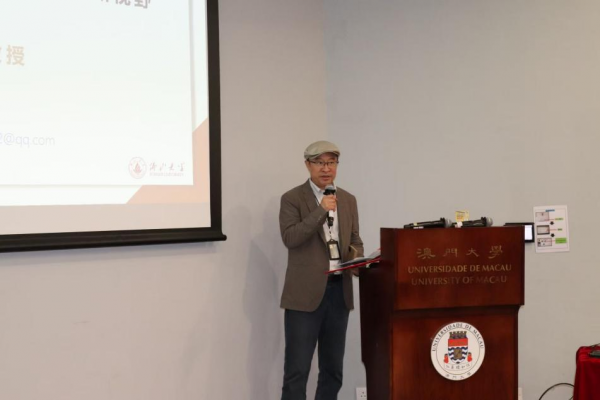
Prof. Wen Xia systematically expounded on the cultural connotations and modern value of Xiangyunsha, a traditional Lingnan silk craft with nearly a thousand years of history, centering on the integration of “intangible cultural heritage with art and technology.” Since 2019, Prof. Wen and her team have actively explored the combination of digital technology with art and design to promote the living heritage preservation and innovative development of Xiangyunsha. She provided detailed insights into the team’s research achievements in the digital preservation of Xiangyunsha, including establishing a digital database for Xiangyunsha, developing the “Xiangyun Liusha” APP mini-program, and constructing a visual knowledge graph, thereby transcending spatial and temporal limitations to bring Xiangyunsha into modern life.
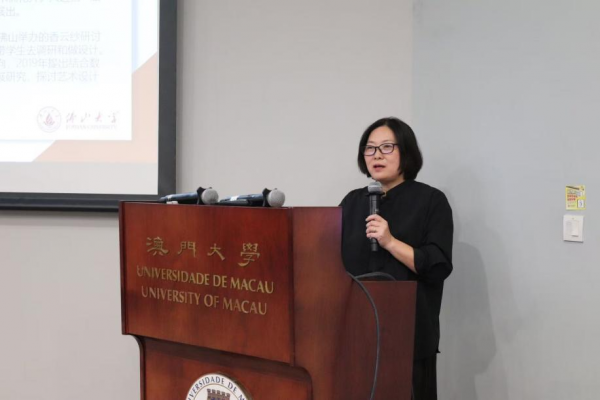
Furthermore, Prof. Wen Xia shared her practical achievements in teaching and social service. She has led students on multiple occasions to conduct field research in Xiangyunsha production areas and guided students to participate in design competitions and innovation and entrepreneurship projects. She also shared experiences in empowering rural revitalization through art, emphasizing that cross-boundary integration is not only technological innovation but also an embodiment of cultural confidence, opening up important pathways for the sustainable development of intangible cultural heritage.

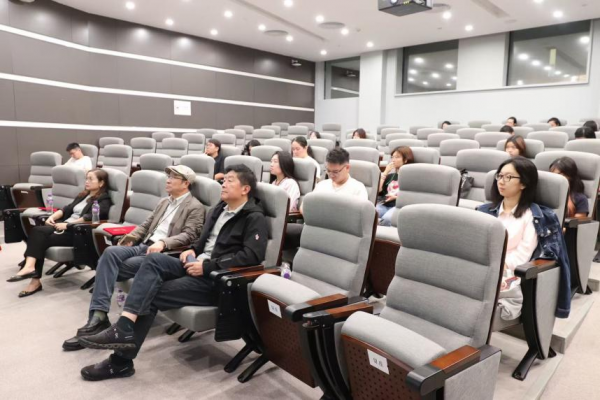
During the lecture, Prof. Wen Xia displayed numerous physical samples of Xiangyunsha fabrics and design works, vividly presenting the perfect combination of traditional craftsmanship with modern technology and art design. The audience responded enthusiastically, with many expressing that through this lecture they gained a deeper understanding of the contemporary value of intangible cultural heritage and its preservation pathways.
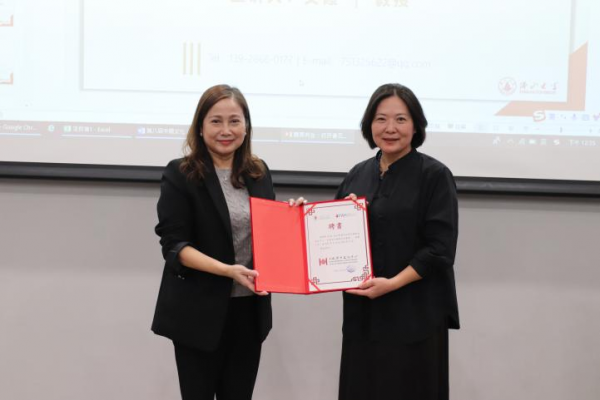
At the conclusion of the lecture, Prof. Zhang Yan, Director of the CCHC at the UM, and Ms. Kuan Sio In, Principal Admin Officer of the CCHC, presented appointment certificates as “Chinese Culture Promotion Ambassador Supervisors” to Prof. Ma Xinlin and Prof. Wen Xia respectively, jointly advancing the preservation and innovation of traditional Chinese culture to a new level.
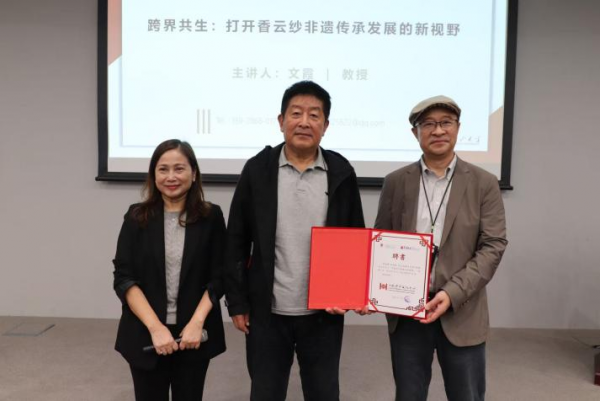
This lecture represents one of the important activities of the CCHC at the UM in promoting excellent traditional Chinese culture education. Looking ahead, the CCHC will continue to expand diverse educational formats, guiding younger generations to strengthen their cultural confidence at the intersection of history and reality, and consciously shoulder the mission of preservation and innovation in this new era.
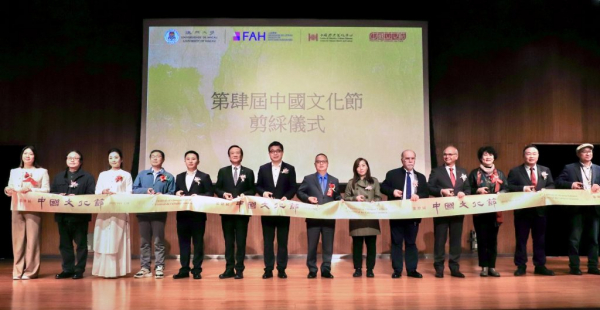
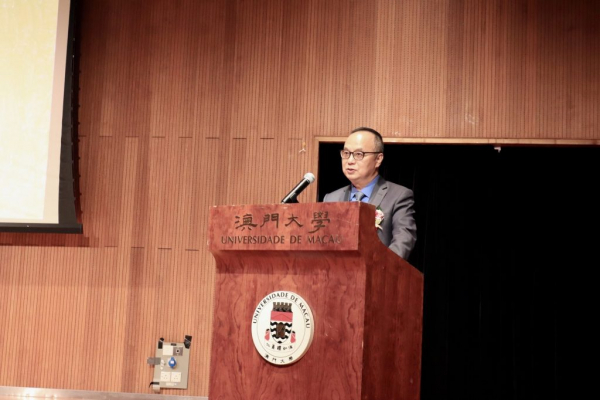
UM launches Festival of Chinese Culture

The launch ceremony for the 4th Festival of Chinese Culture and the 8th Macao Forum on Chinese Culture, organised by the University of Macau (UM), was held today (19 November). The events aim to promote patriotism among Macao’s education sector and the wider community, while also serving as a platform for cultural exchange and mutual learning between China and the West. Running until December, the festival features a wide range of lectures, forums, and exhibitions on Chinese culture. Activities will take place at UM, other universities in Macao, various promotion bases of UM’s Centre for Chinese History and Culture (CCHC), as well as local primary and secondary schools.

At the launch ceremony, Yonghua Song, rector of UM, noted that this year’s festival provides diverse opportunities for young people to deepen their understanding of Chinese culture, enhance their cultural confidence, and further strengthen the cultural ties between Macao and the mainland. Zhang Yan, director of CCHC, introduced the festival’s highlights, which include immersive activities such as film appreciation sessions and study tours on revolutionary history, traditional handicraft workshops, and interactive competitions celebrating traditional culture.

The festival is presented by CCHC and the Macao Base for Primary & Secondary Education in Humanities & Social Sciences at UM.

Eighth China Culture (Macao) Forum Focuses on the Autonomy of Chinese Culture and the Path of Cultural Revitalization

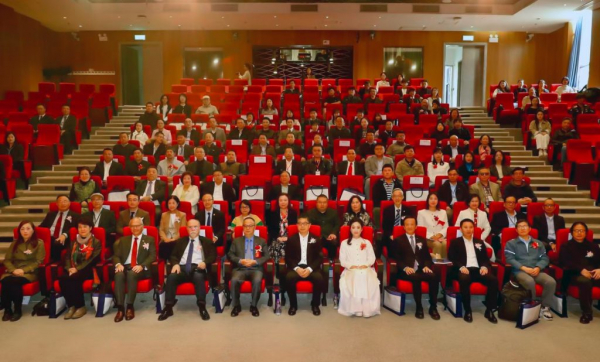
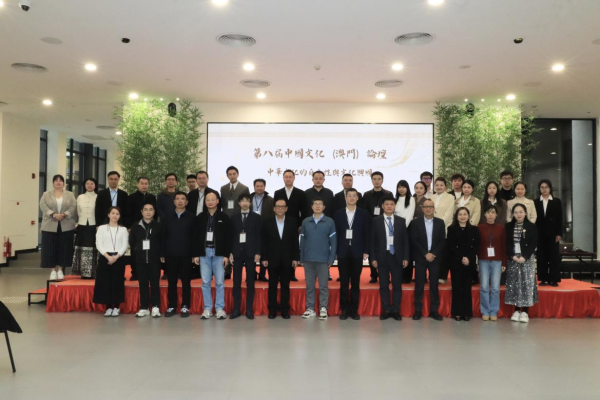
Group photo of the Forum

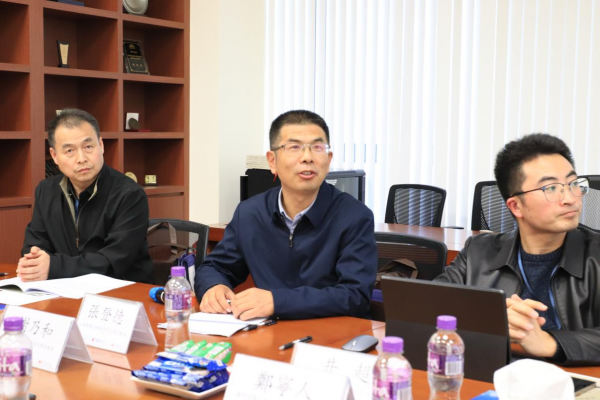
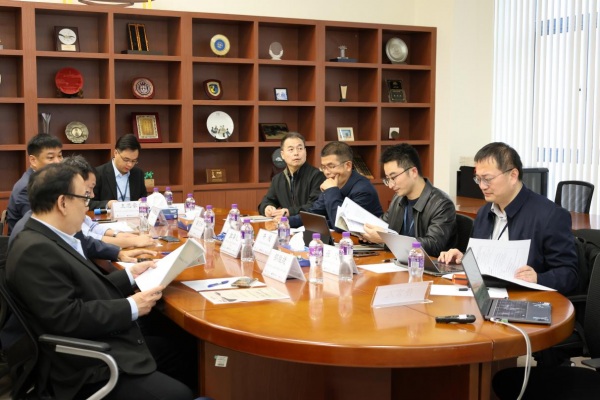
On 19 November 2025, the “Eighth China Culture (Macao) Forum” was grandly held at the Culture Building (E34) of the University of Macau (UM). With the theme of “The Autonomy of Chinese Culture and National Revitalization through Culture,” the Forum served as the core event of the Fourth Festival of Chinese Culture. Hosted by the Centre for Chinese History and Culture (CCHC) of the UM, it brought together more than 20 scholars from universities at home and abroad including Tsinghua University, Beijing Normal University, and Sun Yat-sen University. The participants engaged in in-depth dialogue on the inheritance and innovation of Chinese culture. Drawing on Macao’s geographical advantage as a place where Chinese and Western cultures meet, the event aimed to promote dialogue among civilizations and academic innovation, providing scholarly support for the strategy of invigorating the nation through culture.

The CCHC is an academic institution established with the support of the Liaison Office of the Central People’s Government in the Macao SAR and the Macao SAR Government. It is dedicated to the research, education and promotion of Chinese culture. As a Key Research Institute of Humanities and Social Sciences under the Ministry of Education, the Centre has become an important bridge linking academia and public education through specialized research, international academic forums, and faculty training. Continuing the mission of “Inheriting Civilization, Dialoguing with the World,” this year’s Forum featured a rich agenda and focused on cutting-edge topics such as the origins of civilization and the construction of the classical tradition.

Prof. Tang Chonchit chairing the session

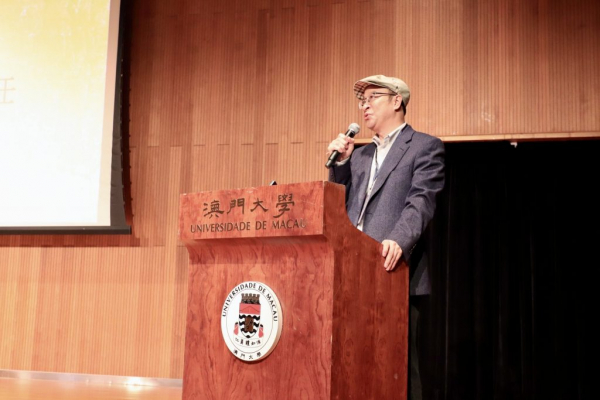
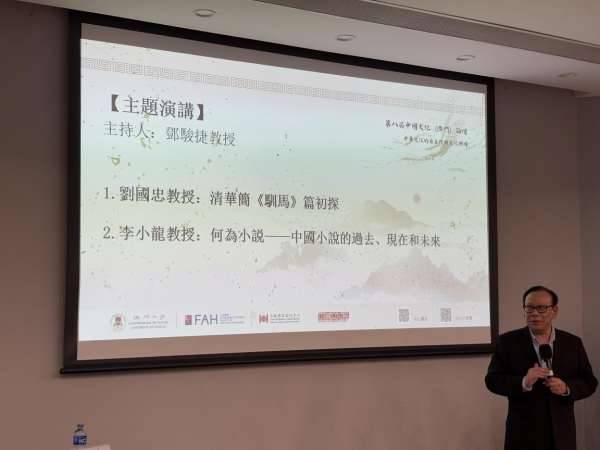
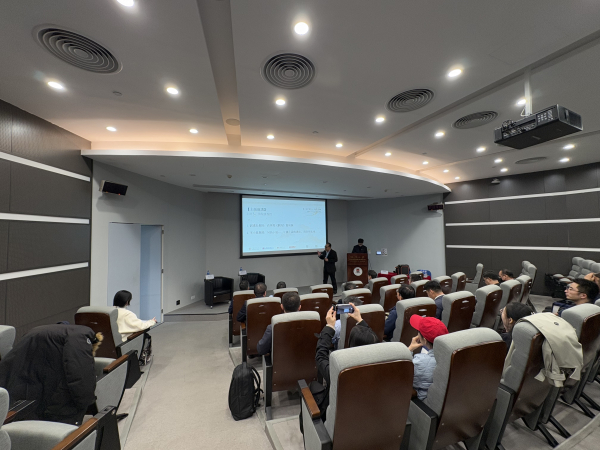
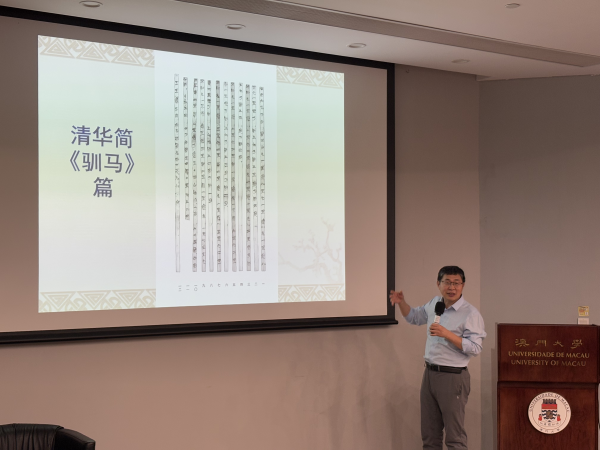
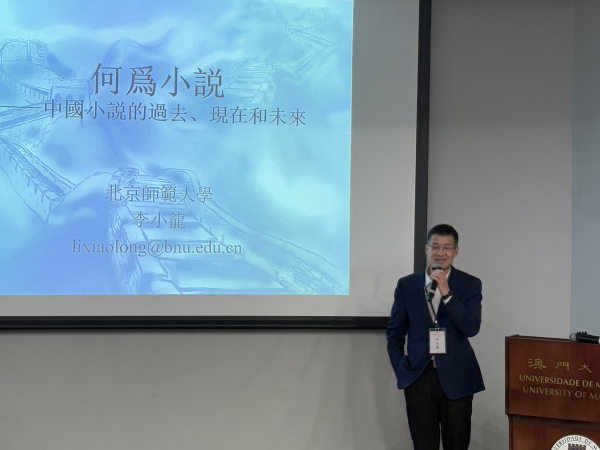
On 19 November, the opening ceremony of the Fourth Festival of Chinese Culture was held at the Student Activity Centre E31 Theatre of the UM, after which the Forum moved into its core sessions. The keynote speeches were chaired by Prof. Tang Chon Chit. Prof. Liu Guozhong of Tsinghua University examined the Saddle horse chapter in the Tsinghua bamboo manuscripts, analyzing the cultural value of excavated documents. Prof. Li Xiaolong of Beijing Normal University, in a lecture titled “What Is Fiction?”, traced the history and future of Chinese fiction from the perspective of literary history. The two talks prompted participants to engage in in-depth reflection on cultural autonomy.

Prof. Liu Guozhong, Tsinghua University

Prof. Li Xiaolong, Beijing Normal University

Thematic Panels: Four Sessions of Ongoing Academic Dialogue

The first session in sub-venue G002 was chaired by Prof. Liu Guozhong and focused on the study of classical texts. Prof. Yeung Siu Kwai of the FED of UM offered an interpretation in relation to Daoist moral teachings; Prof. Pan Wuzheng of Anhui Normal University discussed the value of literary and art education; Prof. Fan Bochong of Sun Yat-sen University examined the evolution of biography forms in the Han and Jin dynasties; Prof. Peng Zhi of the Chinese National Academy of Arts elaborated on dance illustrations from the Ming and Qing dynasties; and Prof. Guo Chaoying of Shandong University analyzed newly discovered ancient manuscripts from the 20th century and the collated fragments of Zilin.

The second session, chaired by Prof. Jin Chengyu, centered on literature and language studies. Prof. Jin Chengyu of Nanjing University re-examined the East Asian history of the epithet “Poetry Son of Heaven” and its derivatives; Prof. Sun Guang of Zhengzhou University discussed the relationship between Confucian classics and literature; Prof. Chen Jichuan of Liaoning University analyzed the spatial construction in court lyrics; Prof. Wang Sihao of the UM focused on Yao Yuan-zhi’s journey to Macao to investigate Macao writings by scholars of the Tongcheng School; Prof. Sio, Chio Ieong of the UM explored how the evolution of the concept of “xing” reflects the linguistic foundations of cultural aphasia and ideological colonization.

Prof. Peng Zhi, Chinese National Academy of Arts

Prof. Sun Guang, Zhengzhou University

The first session in sub-venue G019 was chaired by Prof. Wang Sihao, where five scholars explored cultural identity and intellectual interaction from multiple perspectives. Prof. Kong Deli of the Confucius Research Institute analyzed the evolution of the “community of shared destiny” of family and state, from bloodline-based clans to cultural identity; Prof. Xie Naihe of Northeast Normal University elucidated the theoretical logic underlying the construction of Chinese classical studies; Prof. Zhang Dengde of Shandong Normal University used Adam Smith’s theories as a case study to explore the interaction between Chinese and Western economic thought in modern times; Prof. Tang Chon Chit of the UM examined the power struggles between Emperor Wu of Han and the Dou clan of consort kin; Prof. Liu Yonglian of Jinan University approached Silk Road exchanges and civilizational dialogue from the perspective of silk culture.

The third session, chaired by Prof. Yeung Siu Kwai, brought together five scholars to discuss history and institutions. Prof Yu Wei of Sun Yat-sen University studied the expansion of the Western Zhou; Prof. Wang Jinfeng of East China Normal University analyzed the pre-Qin rural administrative system from the lens of the origins of civilization; Prof. Jing Chao of Nanjing Normal University used the use of wine vessels as an example to explore the Confucian idea; Prof. Zhang Xin of the Chinese Academy of Social Sciences offered a ‘New Understandings on “The Table of the Hundred officials and Ministers in The Hanshu’; Prof. Zhang Yue of the UM examined the relationship between cultural autonomy and poems on history in the Six Dynasties.

Prof. Zhang Dengde, Shandong Normal University

By organically combining keynote speeches and thematic panels, the Forum not only deepened the exploration of both classical and frontier issues, but also reinforced Macao’s role as an exchange hub characterized by “Chinese culture as the mainstream and the coexistence of diverse cultures.” Participating scholars noted that the Forum provided an important platform for promoting research on Chinese history and culture and for dialogue among civilizations, achieving innovation in topic design, event formats, and resource integration. Looking ahead, the CCHC of the UM will continue to build on the advantages of its platforms to promote the global dissemination and contemporary transformation of Chinese culture.


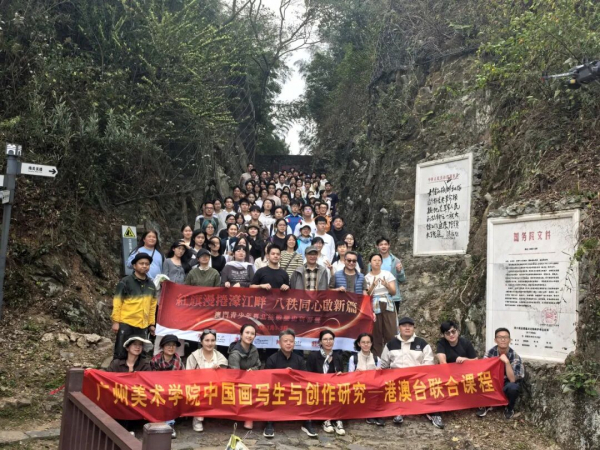
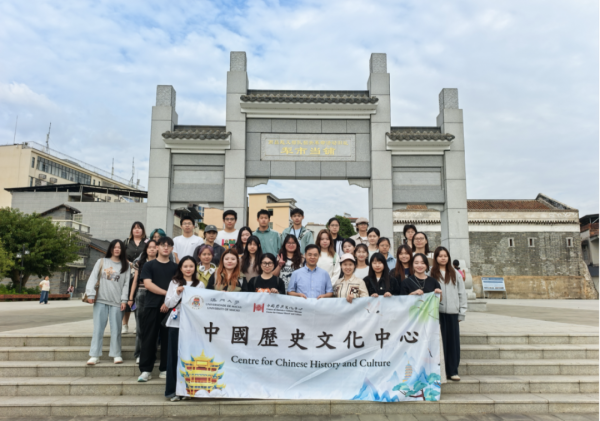
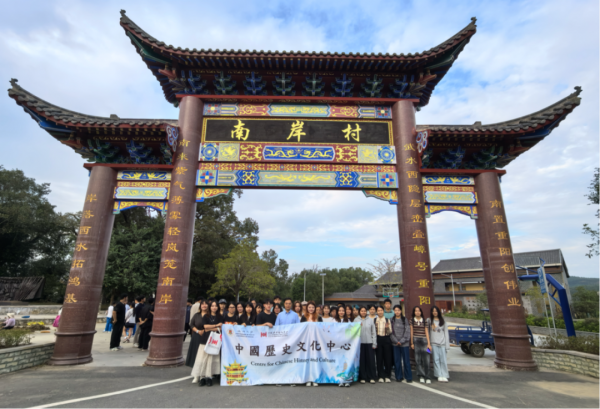
University of Macau Chinese History and Culture Centre Holds Shaoguan Study Camp to Deepen Youth’s Patriotic Sentiments


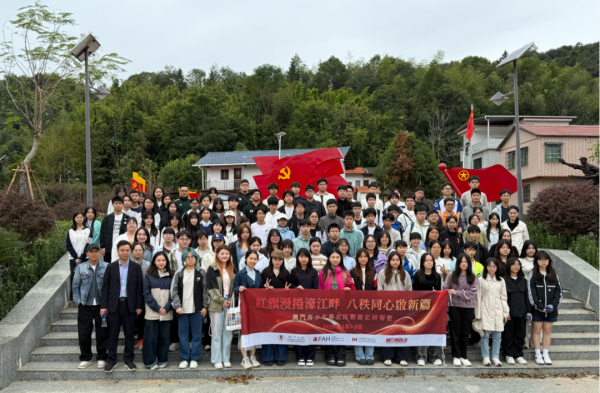
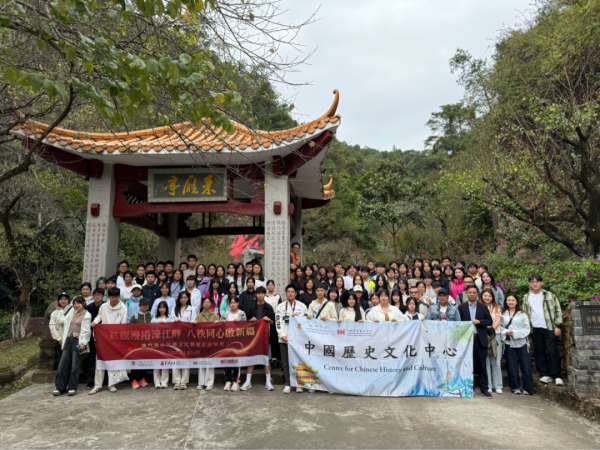
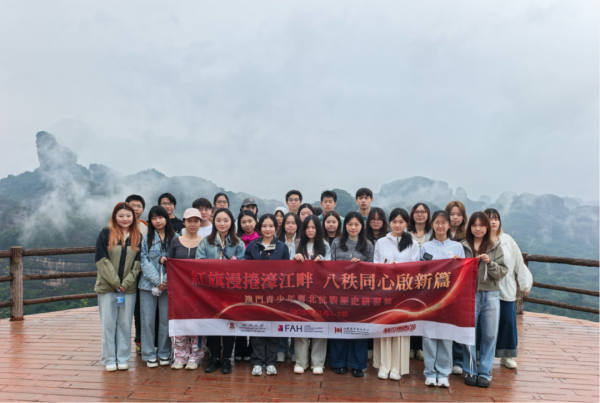
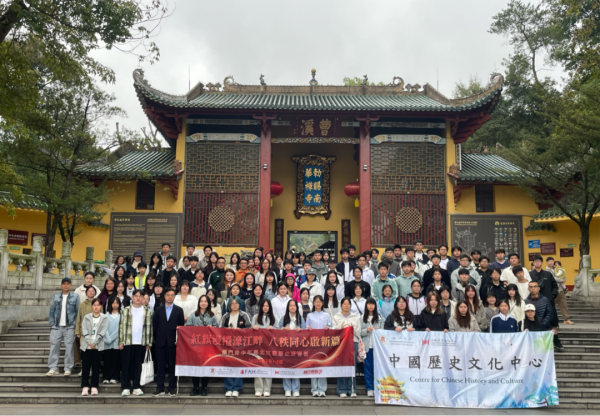
Photo

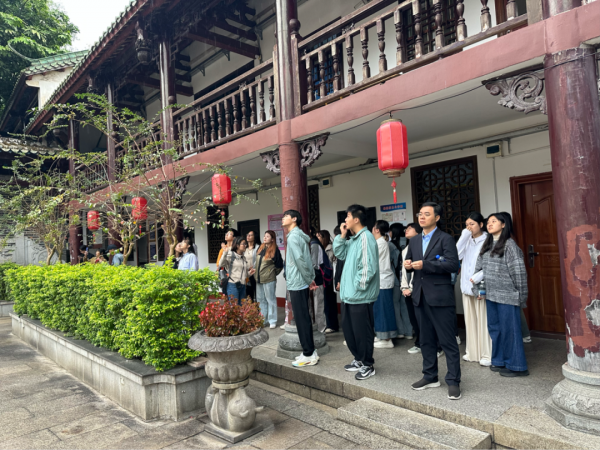
As an important academic research institution in the Macao Special Administrative Region, the University of Macau Chinese History and Culture Centre places high importance on the promotion and education of red culture in Macao. Through systematic research and promotion efforts, it enables Macao youth to gain an in-depth understanding of the glorious history and revolutionary spirit of the Communist Party of China. This Shaoguan study tour aimed to enhance Macao youth’s knowledge of national history through firsthand experience, strengthening their sense of national identity and historical mission.


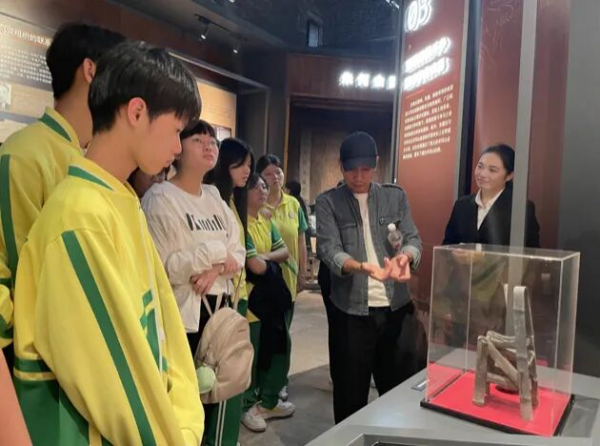
On the first day, the study group visited the Liziyuan Blockhouse—the “Chongyang Anti-Japanese Self-Defense Battle Site” located in Chongyang Town, Wujiang District. This municipal-level cultural relics protection unit bears witness to the heroic resistance of local soldiers and civilians against the enemy in 1945.

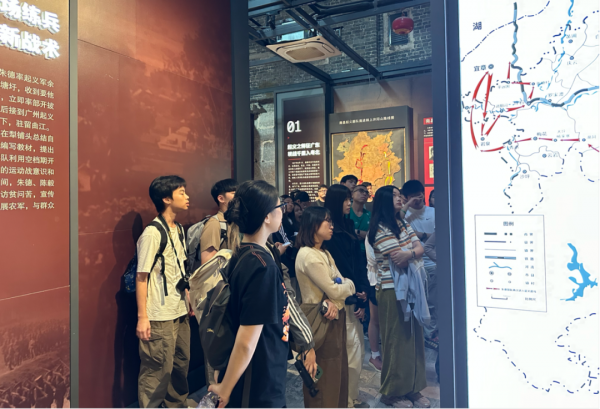
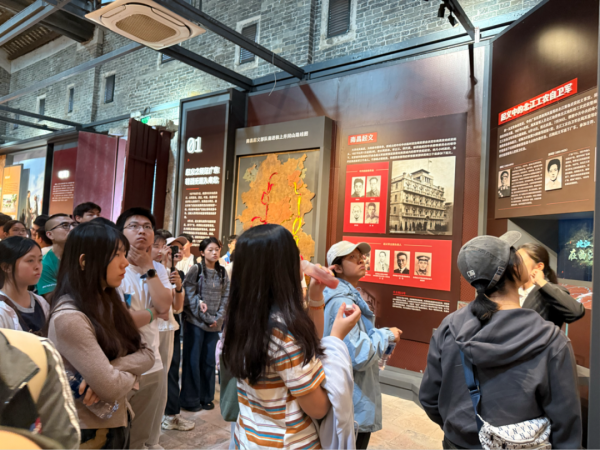
Subsequently, the teachers and students visited the Lishi Pawnshop historical building complex. This late Qing Dynasty structure not only showcases the traditional commercial architectural features of northern Guangdong but also holds significant revolutionary importance as it was where Zhu De summarized the “28-Word New Guerrilla Tactics” in 1927. Through professional explanations, students gained a deeper understanding of the revolutionary memories preserved in this Guangdong Provincial cultural relics protection unit.


On the morning of the second day, the team visited Fengdu School for a study session. Founded with the support of the Northern Expedition general Zhang Fakui, the school served as the activity centre of the CPC Shixing County Committee during the War of Resistance Against Japan and has now become an important patriotic education base. The University of Macau Chinese History and Culture Centre arranged a special thematic explanation to help students understand the historical context of the South China Anti-Japanese Base Area.

In the afternoon, the students walked the Meiguan Ancient Road. This ancient post road, excavated by the famous Tang Dynasty chancellor Zhang Jiuling in 716 AD, was not only a vital transportation route in ancient China but is also a national-level key cultural relics protection unit. Teachers and students hiked the ancient path, experiencing the weight of history.

Later, the team visited the Danxia Mountain UNESCO Global Geopark, exploring the Yangyuan Stone scenic area and experiencing the Water Danxia boat tour, personally witnessing the natural wonder described as “red as cinnabar, bright as glowing clouds.”On the third day, the team continued to explore Danxia Mountain, visiting the Zhanglao Peak scenic area and the Xianglong Lake scenic area to comprehensively understand the unique landforms of this UNESCO Global Geopark. Teachers from the University of Macau Chinese History and Culture Centre conducted on-site geological science education, organically integrating natural science with humanities education.


In the afternoon, the teachers and students visited Nanhua Temple. This renowned Buddhist temple, known as the “Sixth Patriarch’s Ancestral Temple,” is the birthplace where the Sixth Patriarch Huineng propagated the “Southern Chan School Dharma.” Through the visit and learning, the students gained a deeper understanding of Lingnan Chan Buddhist culture.


This study tour innovated the form of patriotic education by combining visits to red revolutionary heritage sites with experiences of natural and cultural heritage. During the tour, the students actively engaged with tour guides, accompanying teachers, and local residents, delving into the local folk customs, history, and culture. The three-day immersive learning not only deepened their understanding of revolutionary history but also strengthened their sense of identification with Chinese culture.

The Centre for Chinese History and Culture of UM stated that it will continue to play its role as a bridge and actively organize such study tours to provide more platforms for Macao youth to learn about the history and culture of their motherland. In the future, the Centre plans to expand the scope of study tours to include more red education bases, while also organizing a series of outcome exhibitions and thematic lectures to further enhance the effectiveness of patriotic education.

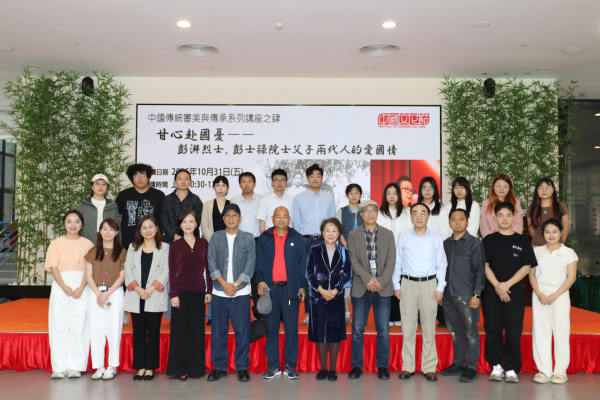
Promoting Patriotism and Passing on Revolutionary Family Values: Peng Yina Delivers Lecture on “Willingly Bearing National Worries” at the University of Macau’s Centre for Chinese History and Culture

Group Photo

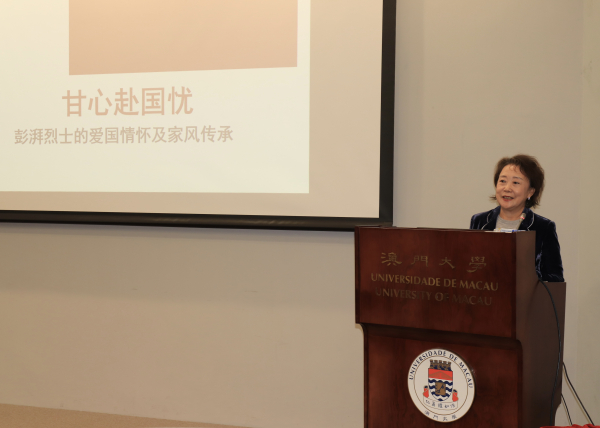
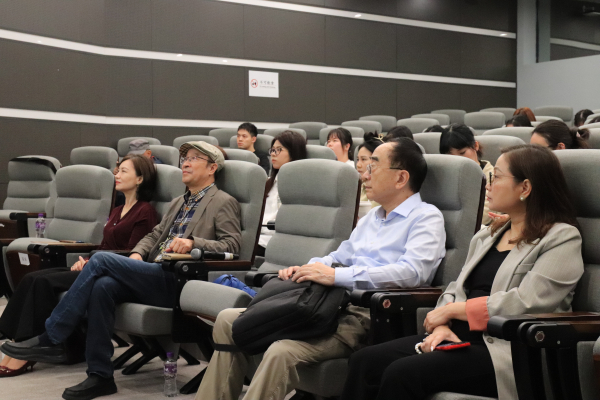
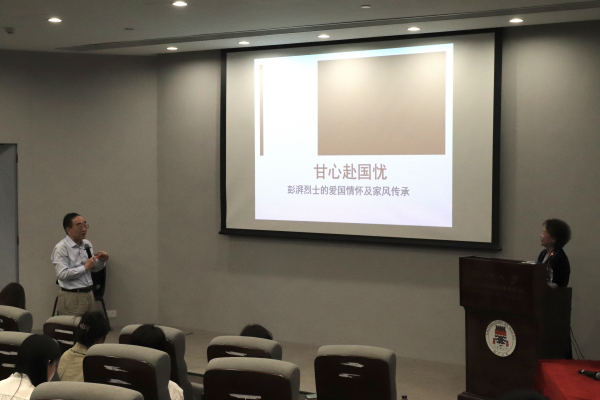
     To commemorate the 80th anniversary of the victory in the War of Resistance Against Japan and to promote patriotic sentiments and the spirit of revolutionary martyrs, the Centre for Chinese History and Culture at the University of Macau successfully held a themed lecture titled “Willingly Bearing National Worries—The Patriotic Spirit of Two Generations: Martyr Mr. Peng Pai and Academician Mr. Peng Shilu” on the morning of October 31, 2025, at Cultural Building, UM. The lecture featured Ms. Peng Yina, granddaughter of Mr. Peng Pai, a veteran proletarian revolutionary of the Communist Party of China, as the keynote speaker, and was moderated by Prof. Zhang Yan, Director of the CCHC ,UM. Distinguished guests in attendance included Ms. Li Fei, President of the Patriotic Education General Association of Macao; Prof. Wei Chuxiong, Part-time  Professor at the CCHC,UM; Dr. Cheang Neng Ian, Deputy Director; Ms. Kuan Sio In, Leona, Principal Admin Officer; and Ms. Tong Ho Kei, Stephenie, Administrative Staff. The event also drew dozens of participants, including faculty and student representatives from the University of Macau, Chinese Culture Ambassadors, and members from various sectors of society.


From a family history perspective, Ms. Peng Yina reviewed the struggles of Mr. Peng Pai and his descendants throughout modern Chinese history, exploring how the family’s enduring values transformed into an internal driving force for serving national development amid the changes of different eras. Standing at the intersection of history and the future, she captivated the audience with her vivid narrative, leading them into historical scenes and systematically tracing Peng Pai’s transformation from a wealthy family’s son to a revolutionary pioneer. Facing a weak and impoverished nation and the suffering of the people, he traveled to Japan to study and seek national salvation. Upon his return, he renounced his family fortune, went deep into rural areas, established peasant movement training institutes, and led the Haifeng-Lufeng Soviet government, remaining steadfast in his beliefs until his sacrifice. The lecture also mentioned six Party members and martyrs from the Peng family who sacrificed their lives during the Great Revolution, demonstrating this revolutionary family’s spirit of dedication.

The Peng family values have been fully inherited by subsequent generations. Peng Pai’s son, Academician Peng Shilu, overcame childhood hardships and persisted in scientific research despite illness, becoming a founding figure in China’s nuclear submarine and nuclear power endeavors. His granddaughter, Peng Yina, went to Macau when her child was only eight months old, contributing to Macau’s smooth return to China. The Peng family has always upheld the patriotic sentiment of “seeking no fame or profit, dedicating oneself to the nation.” Peng Yina stated: “Inheritance is the best form of commemoration,” and called upon contemporary youth to carry forward the spirit of the martyrs and courageously shoulder the responsibilities of the times.

The lecture concluded successfully amid enthusiastic exchanges between faculty and students. Attendees expressed that this narrative approach based on family history made patriotic education more vivid and profound, giving them a more comprehensive understanding of the spirit of “loving the country and loving Macau” and “patriotic sentiments.” The China Historical and Cultural Centre will continue to explore more diversified educational formats in the future, allowing history to illuminate reality and guiding the younger generation to strengthen their ideals and beliefs through understanding the spirit of their predecessors, consciously shouldering the mission and responsibilities entrusted by the new era.
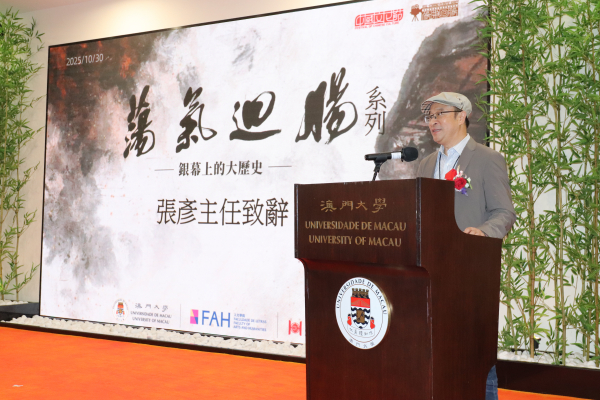
 

Commemorating the 80th Anniversary of the Victory of the Chinese People’s War of Resistance Against Japanese Aggression and the World Anti-Fascist War: Launch Ceremony of “Epic and Soul Stirring” Patriotic Film Sharing Series Successfully Held at University of Macau

Commemorating the 80th Anniversary of the Victory of the Chinese People’s War of Resistance Against Japanese Aggression and the World Anti-Fascist War: Launch Ceremony of “Epic and Soul Stirring” Patriotic Film Sharing Series Successfully Held at University of Macau

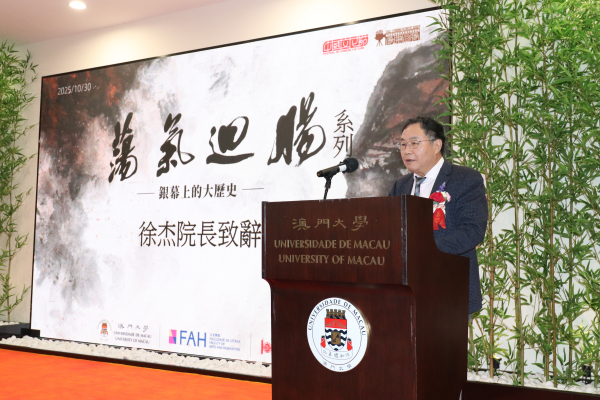
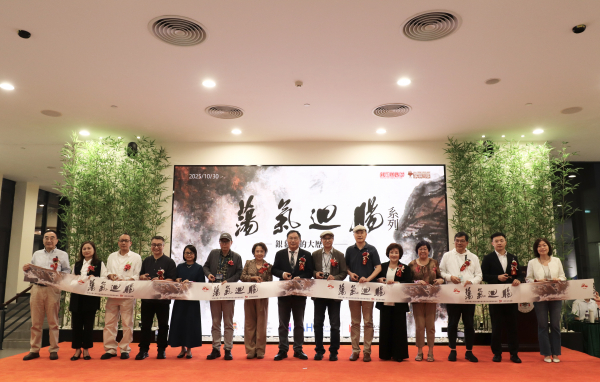
On the afternoon of October 30, 2025, the ” Commemoration of the 80th Anniversary of the Victory of the Chinese People’s War of Resistance Against Japanese Aggression and the World Anti-Fascist War: ‘Epic and Soul Stirring’ Series Activities—Launch Ceremony of Patriotic Film Appreciation and Classic Film Review Sharing Sessions and Inaugural Film Screening” was grandly held at Cultural Building E34, University of Macau (UM). Organized by the UM’s Centre for Chinese History and Culture (CCHC), the event aimed to promote patriotic education for Macao through a combination of film appreciation and academic seminars, deepening young people’s understanding of national history and the spirit of the Chinese nation.

At the opening of the event, Prof. Xu Jie, Dean of the Faculty of Arts and Humanities (FAH) at the UM, delivered a welcome address. The UM has consistently regarded the inheritance of excellent traditional Chinese culture and the cultivation of patriotic sentiments as an important mission. He noted that the ” Epic and Soul Stirring ” project innovatively adopts a model combining film and academic seminars, transforming grand historical narratives into vivid classrooms, representing an important practice for UM in advancing patriotic education for Macao. The project features carefully selected films such as “The Eight Hundred” and “The Red Detachment of Women,” guiding young students to appreciate the national spirit and strengthen national identity.

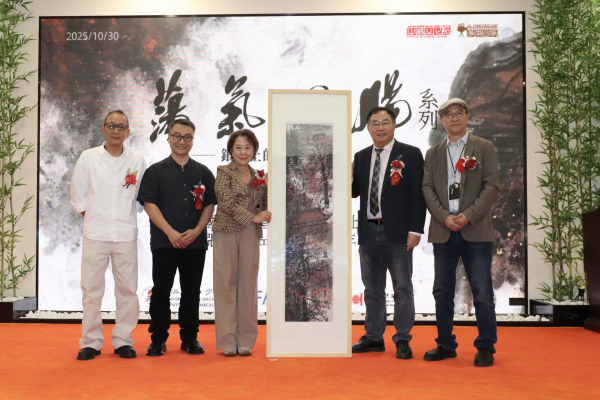
Subsequently, the guests of honor cut the ribbon for the launch ceremony, marking the official opening of the “Epic and Soul Stirring” series of events. Prof. Zhang Yan, Director of the CCHC, emphasized in his speech that this project is a key focus of the Centre’s five-year plan, with red historical education as its main thread, using the art of film to lead young people in appreciating the spiritual power of the nation’s struggles. He stated that the Centre will continue to integrate resources to develop “Epic and Soul Stirring” into a distinctive Macao patriotic education platform, contributing to the practice of “One Country, Two Systems.”

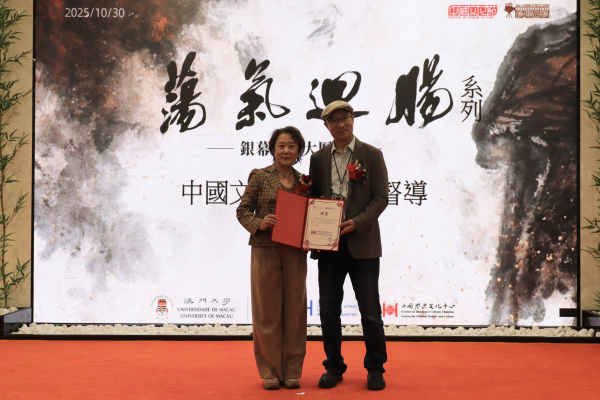
Afterwards, the CCHC presented a painting to Prof. Peng Yina, Honorary Dean of the Guangdong Southern Red Culture Research Institute (granddaughter of revolutionary martyr Mr. Peng Pai), and appointed her as “Supervisor of Ambassador for the Promotion of Chinese Culture” in recognition of her long-term dedication to promoting patriotic spirit and passing on the legacy of revolutionary heritage.

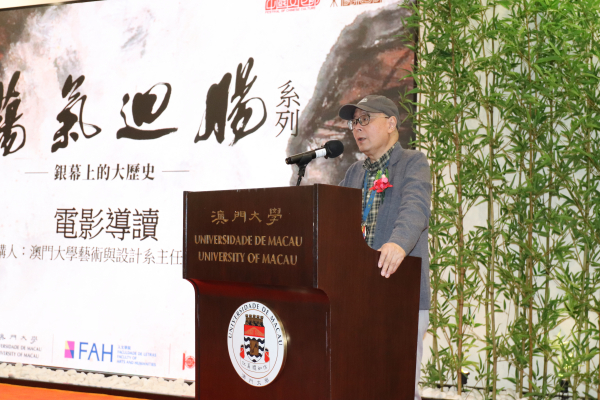
Finally, Prof. Li Jun, Head of Department of Arts and Design, delivered a keynote lecture exploring the development of war of resistance film narratives through the lens of “Grand History on Screen.” He pointed out that current narratives of the war of resistance present a more magnificent framework, emphasizing the national spirit embodied in the 15-year struggle against aggression. Meanwhile, using films such as “Dead To Rights” as examples, he illustrated that localized artistic perspectives can equally convey profound historical emotions, and emphasized the crucial role of “emotional authenticity” in historical representation.

The event also received support and participation from numerous distinguished guests, including Mr. Gu Zhijie, former Deputy Editor-in-Chief of Shenzhen Legal Daily; Associate Prof. Wang Lan from the Faculty of Humanities and Arts at Macau University of Science and Technology; Ms. Chan Pui Lan, President of Tea Art Professionals Association of Macao; Mr. Lin Jiangshan, Chairman of Guangzhou Biyutang Art Co., Ltd.;Prof. Kwok-cheung Cheung, Master of Moon Chun Memorial College, UM;Prof. Leung May Yee, Janny, Master of Choi Kai Yau College; Prof. Tam Sik Chung, Interim Master of Shiu Pong College; Associate Master Prof. Fung, Ka Wai Gary of Ma Man Kei and Lo Pak Sam College; Resident Fellow Ms. Alice Hong of Moon Chun Memorial College; Dr. Cheang Neng Ian, Deputy Director of the CCHC and Ms. Kuan Sio In, Leona, Principal Admin Officer of the CCHC. The ” Epic and Soul Stirring ” project will continue to conduct a series of film sharing and academic seminar activities, dedicated to becoming an important platform for patriotic education and national identity among Macao’s youth.

Delegation from the Centre for Chinese History and Culture of the University of Macau Visits Guangzhou—Deepening Exchanges and Cooperation in Art Education across Guangdongversity of Macao

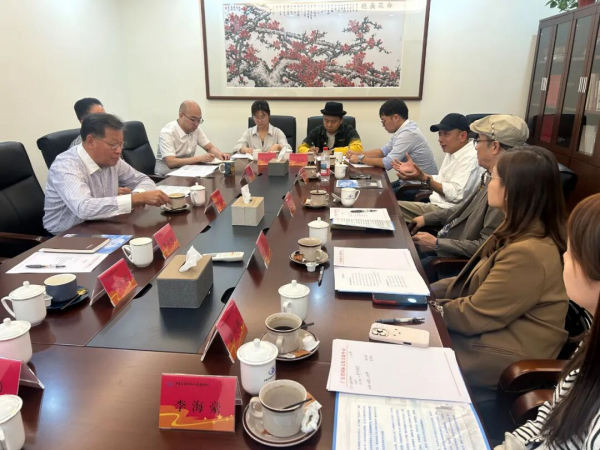
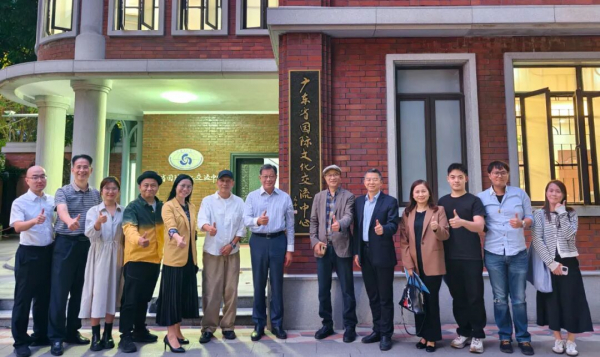
On 21 October 2025, a delegation from the Centre for Chinese History and Culture of the University of Macau visited Guangzhou for cultural exchange. The delegation successively visited the Guangzhou Museum of Art and the Guangdong Province International Cultural Exchange Center, engaging in in-depth discussions on museum–university collaboration and regional artistic interaction within the Guangdong–Hong Kong–Macao Greater Bay Area. The visit opened new pathways for promoting cultural integration and educational cooperation between the two regions.

Exchange with the Guangzhou Museum of Art: Exploring New Models of Museum–University Collaboration

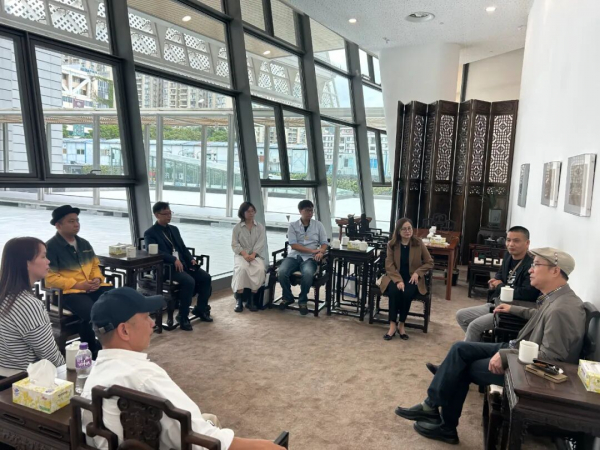
On the morning of the visit, the delegation first called on the Guangzhou Museum of Art and held a meeting with its Director, Mr. Luo Qi, and other representatives. Prof. Zhang Yan, Director of the CCHC of the UM, held discussions with Director Mr. Luo Qi on the sustainable development of cooperation between the Centre and the museum. Both sides conducted in-depth exchanges on new mechanisms for museum–university collaboration, focusing on practical issues such as resource sharing and joint project development.

The Guangzhou Museum of Art is the only art institution in China that holds both the titles of “National Key Art Museum” and “National First-Class Museum.” Its collection comprises more than 33,000 works (sets), including over 4,000 precious cultural relics. Director Mr. Luo Qi proposed strengthening artistic collaboration within the Guangdong–Hong Kong–Macao Greater Bay Area and suggested jointly curating thematic exhibitions on the Lingnan School of Painting in the future, with a view to tracing its historical development in Macao. Prof. Zhang Yan, in turn, proposed introducing selected collections from the Guangzhou Museum of Art to exhibitions at the UM, thereby promoting the dissemination and research of Lingnan art in Macao. The museum also expressed its willingness to open visiting channels for teachers and students from primary and secondary schools in Macao and to plan themed art experience activities to enhance young people’s understanding of traditional culture.

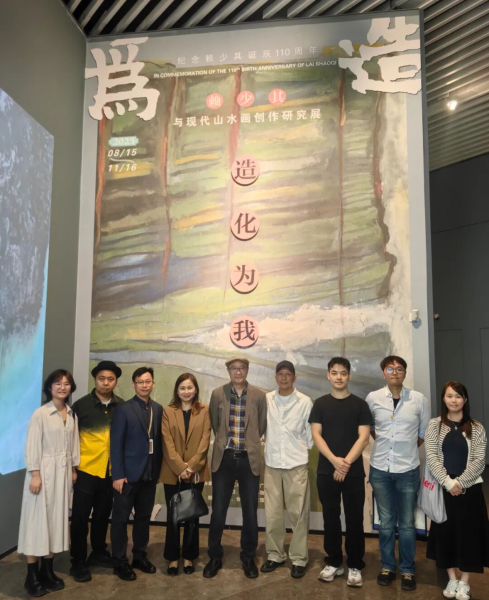
Exhibition Visit

Following the symposium, the delegation visited the exhibition “In Commemoration of the 110th Anniversary of Lai Shaoqi’s Birth: Creation as My Own—Lai Shaoqi and the Study of Modern Landscape Painting,” gaining a deeper appreciation of the profound heritage of traditional Chinese culture and its contemporary innovations.

Meeting with the Guangdong Province International Cultural Exchange Center: Advancing a Mechanism for Regular Cooperation

In the afternoon, the delegation proceeded to Guangdong Province International Cultural Exchange Center for further discussions. The meeting focused on four major themes: cross-regional cultural exchange, resource sharing, multi-party cooperation, and the establishment of regular exchange mechanisms. Participants unanimously agreed that full advantage should be taken of the geographical proximity and shared cultural roots of Guangdong and Macao to build a long-term cooperation framework with art as the bond and education as the vehicle.

At the meeting, Dr. Cheang Neng Ian, Deputy Director of the CCHC, reported to Mr. Lin Xiong, Chairman of the Guangdong Province International Cultural Exchange Center, on CCHC’s progress and achievements in promoting cultural education in Macao over the past several years, as well as the challenges encountered and efforts made along the way.

Chairman Mr. Lin Xiong highly commended the accomplishments of CCHC and pledged strong support for its future initiatives, with a view to jointly advancing cultural exchange between Guangdong and Macao. Mr. Luo Zhichao, Secretary-General of the Center, introduced that its board members include representatives from various sectors of the cultural community across Guangdong, Hong Kong, and Macao, and noted that the Center could actively mobilize board resources in the future to promote diverse forms of exchange, including cooperation on intangible cultural heritage projects.

Prof. Zhang Yan further proposed organizing joint academic forums, touring exhibitions, and artistic creation programs to promote talent cultivation and resource sharing, while also exploring the establishment of digital collaboration platforms and exchange bases to enhance regional cultural communication capacity. Ms. Kuan Sio In, Principal Admin Officer of the Centren Officerosed organizing joint academic forums, touring exhibitions, and artistic creation programs to promote talent cultivation and resource sharing, while also explo–Macao cultural collaborationosed organizing joint academic forums, touring exhibitions, and artistic creation programs to promote talent cultivo.

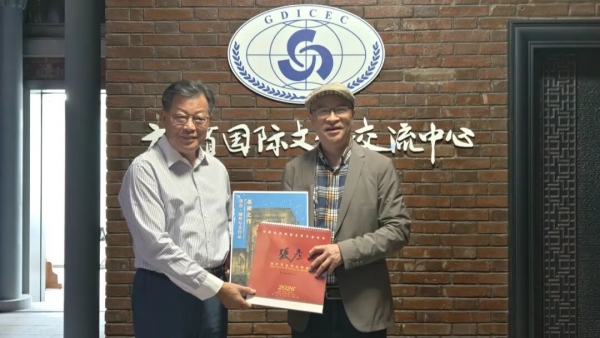
Presentation of Commemorative Gifts

Deepening Cooperation and Jointly Drawing a New Blueprint for Bay Area Culture

This visit further consolidated the foundation of cooperation between the CCHC of the UM and Guangdong in the field of cultural education, while injecting new momentum into the building of a humanistic community in the Guangdong–Hong Kong–Macao Greater Bay Area. Both sides expressed their commitment to continued and deepened interaction, jointly promoting the inheritance and innovation of outstanding Lingnan traditional culture within the Bay Area and contributing to the international dissemination of Chinese culture.

Participants in the symposium included Mr. Yu Kun’ai, Deputy Secretary-General of the Guangdong Province International Cultural Exchange Center; Mr. Lin Shuguang, Deputy Secretary-General; Ms. Zhang Jian from the Secretariat; Administrative staff of the CCHC of the UMaca and Chinese Culture Promotion Ambassadors.

UM Holds the Fourth Festival of Chinese Culture

Introduction to the Fourth Festival of Chinese Culture

In order to promote the excellent traditions of Chinese culture and foster a campus and social atmosphere in Macao that preserves and passes on the positive aspects of Chinese culture, the University of Macau is organizing the Fourth Festival of Chinese Culture. Through a series of creative activities, the festival aims to enable students to learn about traditional Chinese culture, stimulate their interest in Chinese history and culture, and enhance their understanding of Chinese heritage.

The Fourth Festival of Chinese Culture is hosted by the University of Macau, with guidance from the Publicity and Culture Department and the Education and Youth Affairs Department of the Liaison Office of the Central People’s Government in the Macao Special Administrative Region, the Macao Foundation, the Education and Youth Development Bureau of the Macao Special Administrative Region Government, and the Cultural Affairs Bureau. The organizing units include the Center for Chinese History and Culture of the University of Macau and the Macao Humanities and Social Sciences Education Base for Primary and Secondary School Students.


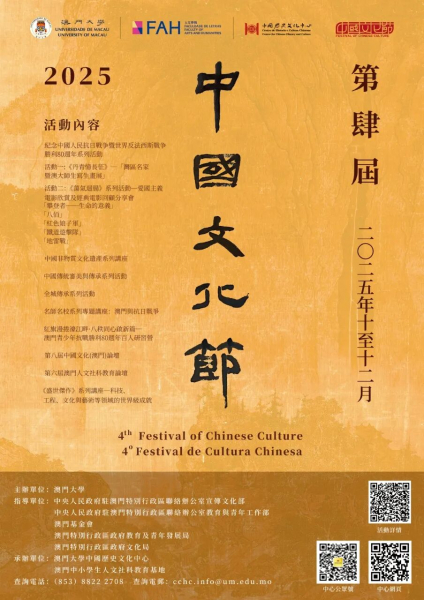
Poster

The Festival of Chinese Culture integrates traditional and modern elements, carrying special contemporary significance. It is a pioneering, open, and essential public welfare activity. As an important bridge for cultural exchanges between China and Portuguese-speaking countries, Macao’s fusion of traditional culture and modern elements not only reflects its unique cultural characteristics but also showcases its cultural vitality in the new era. The prelude activities and warm-up events of the Fourth China Cultural Festival were held in October, while the core activities took place in November across the University of Macau campus, the University of Macau Chinese History and Culture Promotion Base, and various cooperative units. Key events will continue until December.
Introduction to the Core Programs

The core programs of the Festival consist of three major series:

  1. The Lecture, Publicity, and Education Series on Chinese History and Culture;

  2. The Exhibition, Performance, and Display Series on Chinese History and Culture;

  3. The Forum, Publication, and Debate Series on Chinese Culture and Macao Culture.

University of Macau’s Centre for Chinese History and Culture Organizes Screening of ” Evil Unbound ” to Inspire Youth to Remember History and Embrace Their Mission

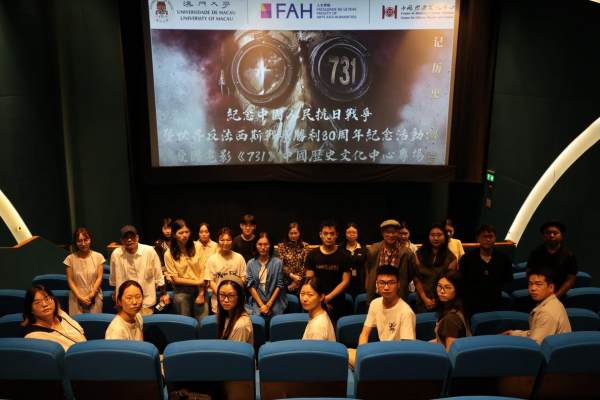
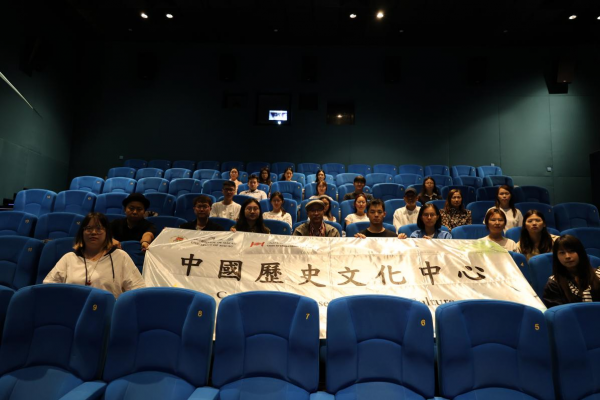
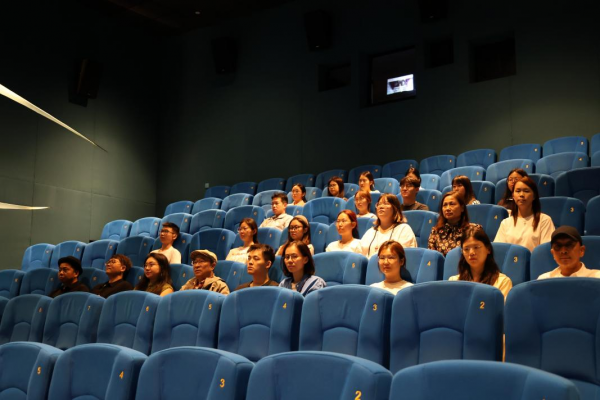
To deepen patriotic education, the Centre for Chinese History and Culture (CCHC) of the University of Macau (UM) successfully held a themed screening event of the patriotic film “Evil Unbound” on October 14, 2025. The activity was open to university students and cultural ambassadors, guiding young students through film to gain profound understanding of the suffering and struggle during the Chinese nation’s war of resistance, to gain a clear understanding of history, and to cherish peace. The film “Evil Unbound” rigorously reveals the brutal crimes of the Japanese Imperial Army’s bacteriological warfare unit based on strict historical facts. It is not only a deep commemoration of compatriots who perished, but also a soul-shaking history lesson, aimed at inspiring national sentiment and patriotic enthusiasm among youth. On the day of the event, participating students gathered at the Cultural Building lobby before proceeding together to Galaxy Cinemas in an orderly manner, demonstrating UM students’ serious attitude toward historical education.


As an important platform for the UM to promote national education and cultural heritage, the CCHC has always upheld the mission of “cultivating virtue through culture and educating through history” This screening utilized the emotional power of film to allow young people to draw upon the fighting spirit of their predecessors while revisiting the nation’s journey through suffering and glory, thereby strengthening their conviction in loving the country and Macao. At the screening venue, students were immersed in the solemn historical atmosphere and deeply moved. Some students expressed that this activity made the history in textbooks tangible and real, giving them a greater appreciation for the preciousness of peace and the significance of national strength, and reinforcing their determination to integrate personal ideals with national development.

This activity represents an important practice of the UM in implementing “love for country and Macao” education, effectively strengthening young people’s historical responsibility and sense of mission for the times. The Centre will continue to innovate formats and conduct diverse cultural and historical activities in the future, helping students draw strength from the national spirit to become a new generation capable of shouldering the great task of national rejuvenation, and contributing wisdom and strength to the prosperity and development of Macao and the nation.


2025 “Classical Chinese Literature Recitation Exchange and Performance for University Students from Hong Kong, Macao and Mainland China” Concludes University of Macau Students Achieve Outstanding Results

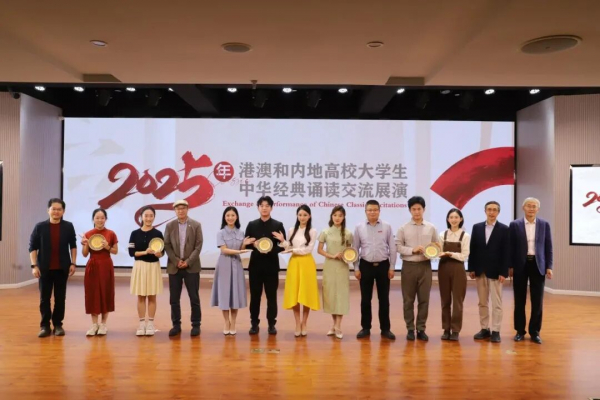
From September 24-25, 2025, the “2025 Classical Chinese Literature Recitation Exchange and Performance Finals for University Students from Hong Kong, Macao and Mainland China” was successfully held at the Yunlong Campus of Jiangsu Normal University. The event was guided by the Office of Hong Kong, Macao and Taiwan Affairs of the Ministry of Education (Department of International Cooperation and Exchanges) and co-hosted by Jiangsu Normal University, The Hong Kong Polytechnic University, and the University of Macau. Outstanding students from universities across Hong Kong, Macao, and mainland China gathered together to celebrate Chinese cultural heritage through recitation.

Prof. Zhang Yan, Director of the Centre for Chinese History and Culture at the University of Macau, delivers a speech

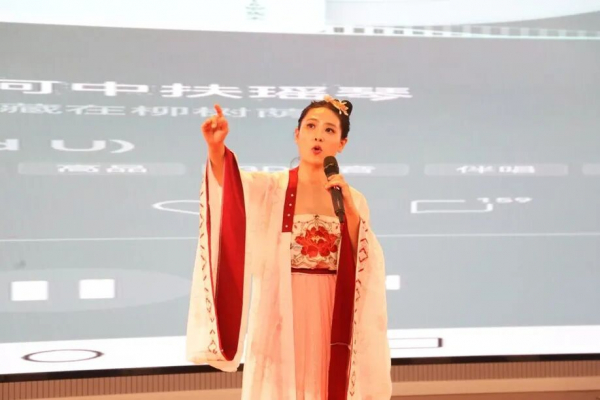
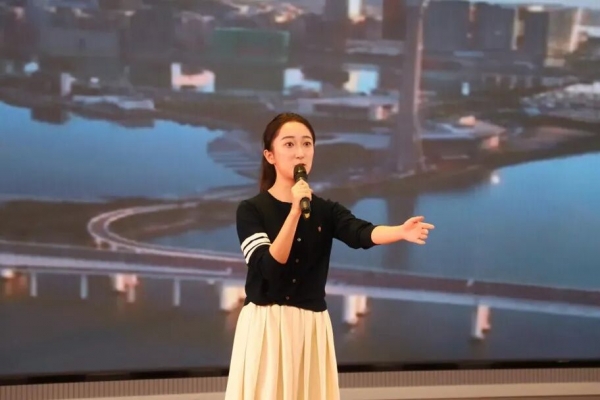
Prof. Xu Jie, Dean of the Faculty of Arts and Humanities at the University of Macau, and Prof. Zhang Yan, Director of the Centre for Chinese History and Culture, served as judges. Through intense competition, Ms. Li Jiamin, a doctoral student from the Department of Chinese Language and Literature, successfully entered the top 50 finals with her work “Atop the Phoenix Lookout of Jinling” and won the “Best Artistic Creation Award.” Ms. Zhang Jiahuan from the Faculty of Social Sciences won the “Best Recitation Work Award” with her piece “Encountering·Macao.” Both students used their voices to carry forward Chinese cultural heritage, gaining insights into historical depth and demonstrating contemporary spirit through recitation, vividly interpreting the modern charm of Chinese classics.

Ms. Li Jiamin, a doctoral student from the Department of Chinese Language and Literature, Faculty of Arts and Humanities, University of Macau

Zhang Jiahuan, a student from the Faculty of Social Sciences, University of Macau

The Chinese Government attaches great importance to language and cultural work. President Xi Jinping has repeatedly emphasized the importance of inheriting and developing excellent traditional culture, pointing out that language and writing are not only important carriers of cultural inheritance but also vivid embodiments of national spirit. This “Classical Chinese Literature Recitation Exchange and Performance for University Students from Hong Kong, Macao and Mainland China” activity not only provided a platform for students from the three regions to showcase their talents but also powerfully enhanced young people’s identification with excellent traditional Chinese culture, promoted mutual exchange and learning in language and culture, and improved the language and cultural literacy of the younger generation.

It is understood that the award-winning works will subsequently be performed in touring exhibitions at universities in Hong Kong, Macao, and mainland China, promoting the further integration of classical culture into the daily lives of young students and continuously expanding the activity’s influence. This initiative will help cultivate the patriotic sentiments of contemporary university students and inject vigorous youthful energy into strengthening the sense of community of the Chinese nation.

Group Photo


Content reposted from FAH, University of Macau